
A 2026 Regional Sourcing Guide for Building Glass: Selecting Suppliers from China, Germany, and Japan
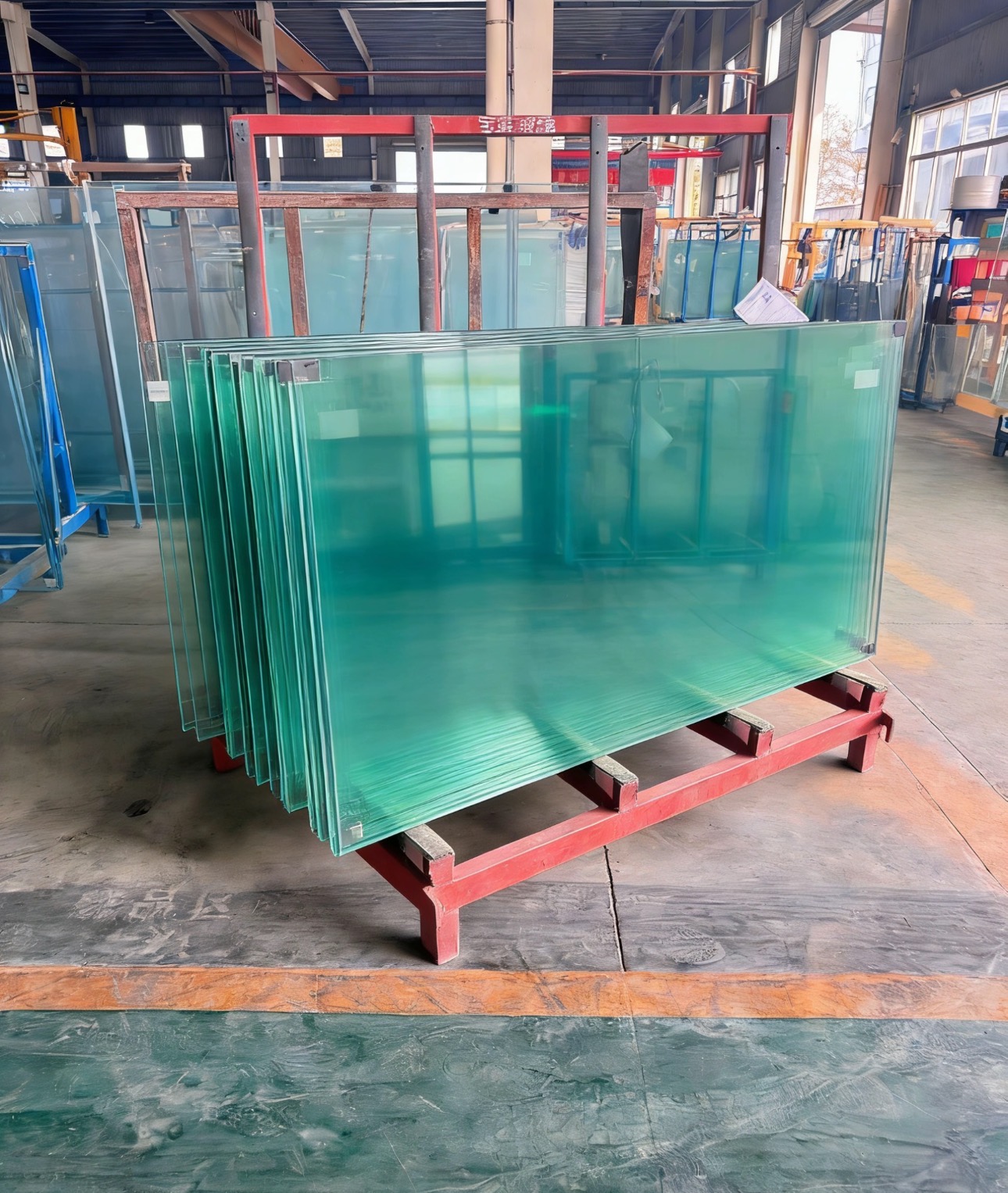
For construction professionals and procurement managers, selecting the right building glass supplier is critical to project performance, cost control, and regulatory compliance. The global supply landscape for architectural glass is dominated by three manufacturing regions: China, Germany, and Japan, each offering distinct advantages. This guide provides a practical framework for evaluating suppliers from these regions, with a focus on the Chinese market due to its growing role in international projects.
1. Global Supplier Distribution by Region
China – Chinese manufacturers, such as Shenzhen Dayang Special Glass Co., Ltd. (brand: DYGLASS), are known for high cost-performance and extensive customization capabilities. With a factory area of 30,000 m² and an annual output of 600,000 square meters, Chinese suppliers offer a wide product range including tempered, laminated, insulated, curved, and smart glass. Their ability to process multi-curved, double-curved, and irregular shapes at competitive lead times (7–9 days) makes them attractive for complex façade projects.
Germany – German glass manufacturers (e.g., SCHOTT AG, Saint-Gobain Glass) are recognized for high-end technical innovation, especially in specialty glasses such as fire-resistant, low-emissivity, and photovoltaic glass. Their products often meet the strictest European standards (e.g., EN 1449, EN 1279) and are preferred for premium architectural projects where performance and longevity are paramount.
Japan – Japanese suppliers like AGC Inc. and Nippon Sheet Glass (NSG) excel in precision manufacturing and quality consistency. They are leaders in ultra-clear glass, advanced coating technologies, and high-strength laminated glass for seismic-resistant structures. Japanese glass is widely used in high-rise buildings and infrastructure in Asia.
2. Supplier Selection Guide: Key Considerations When Sourcing from China
When evaluating Chinese building glass suppliers, procurement teams should focus on the following five areas:
- Verify Export Certifications: Ensure the supplier holds relevant compliance certificates for your target market. For example, DYGLASS has obtained CE certification (certificates BGTC20260403-02, BGTC20260403-03, BGTC20260403-05) for tempered, laminated, and insulated glass under EN 12150 and EN 1279, covering EU/EEA markets. SGCC, AS/NZS, or UL certifications may be required for other regions.
- Confirm Cross-Border Logistics Solutions: Reputable Chinese suppliers offer flexible Incoterms (EXW, FOB, CIF, CFR, DAP, DDP) and can arrange sea/air freight. For instance, DYGLASS accepts FOB and CIF and provides pre-shipment inspection. Delivery methods and packaging for fragile glass should be explicitly agreed.
- Clarify After-Sales Service: Look for suppliers that provide online technical support, on-site installation guidance, and replacement policies. DYGLASS offers return-and-replacement services and on-site training for large projects.
- Assess Customization Capabilities: Chinese manufacturers often excel in OEM/ODM. DYGLASS supports size, thickness, shape (including complex curved), coating, and hole drilling customization, with a MOQ of only 10 square meters, enabling sample testing before volume orders.
- Evaluate Quality Control: 100% testing before shipment is a standard practice among top Chinese suppliers. DYGLASS uses an intelligent temperature control system and Heat Soak Furnace to reduce the risk of nickel sulfide inclusions, ensuring glass durability.
3. Regional Compliance Requirements for Imported Building Glass
Importers must adhere to specific certification and tariff regulations:
- European Union (EU/EEA): CE marking is mandatory for construction glass under the Construction Products Regulation (CPR 305/2011). For tempered glass, the applicable standard is EN 12150-1:2015+A1:2019; for laminated glass, EN 1449:2005; for insulated glass, EN 1279-1/2/3/4:2018. Products must be tested by a notified body (e.g., ECTI CERT Ltd.).
- United States: Safety glass sold in the US must comply with ANSI Z97.1 and CPSC 16 CFR 1201, often evidenced by UL certification. Energy-efficient glass may need NFRC rating. Tariffs on Chinese glass vary; consult the HTS code (e.g., 7007.19 for tempered glass).
- Middle East (UAE, Saudi Arabia, etc.): While CE or ISO certifications are widely accepted, some countries like the UAE require Emirates Conformity Assessment Scheme (ECAS) or SABER certification for construction materials.
- Japan: JIS (Japanese Industrial Standards) certification is often required for structural glass. For example, JIS R 3202 for tempered glass and JIS R 3206 for laminated glass.
4. Case Study: Chinese Supplier Entering the UAE Market
A notable example of successful Chinese glass integration is the “The One the Palm” hotel project in Dubai, United Arab Emirates. DYGLASS supplied approximately 4,000 square meters of architectural glass for this iconic building. The order included a mix of tempered, laminated, and insulating glass units with customized Low-E coatings to meet local heat insulation requirements.
Key factors behind the successful entry:
- Certification Alignment: The glass was CE-certified under EN standards, which are widely recognized in the UAE. The supplier also provided SGS test reports to verify quality.
- Localized After-Sales Support: DYGLASS offered on-site inspection and installation guidance, ensuring that the complex curved glass panels were installed with minimal errors.
- Stable Supply Chain: With a lead time of 7–9 days and a monthly capacity of 600,000 m², the supplier met the project’s tight schedule without delays.
- Customization for Extreme Climate: The glass units were designed to withstand high wind loads and sandstorms, with argon gas fill and warm-edge spacer technology improving thermal insulation.
The project has been in stable operation for over 30 years, demonstrating the reliability of Chinese building glass in demanding international environments.
5. Summary and Recommendations
Choosing the right building glass supplier requires balancing technical specifications, compliance, cost, and service. For projects seeking high customization and cost efficiency, Chinese suppliers offer compelling advantages, provided their certifications and logistics are properly verified. German and Japanese suppliers remain strong choices for high-end precision and specialized applications. Procurement teams should always request samples, inspect factory capabilities (e.g., DYGLASS operates dedicated tempered lines for flat and curved glass, an autoclave, and a heat soak furnace), and confirm long-term warranty terms.
Corporate Brochure: For detailed product specifications and company profile, please access the DYGLASS Corporate Brochure (PDF, available for download).
Have Questions or Need More Details?
Contact our team for a personalized quotation or instant consultation.
Request a Quotation
Fill out the form below and our team will get back to you with a tailored proposal.
WhatsApp Direct Chat
Prefer to chat in real-time? Message us on WhatsApp for instant assistance & quick answers.
- Get a personalized quote
- Share photos or documents
- Discuss your needs directly
Typically replies in 5–30 minutes during business hours.