
Navigating Glass Compliance: Standards and Certifications for North America and Europe Exports
Building glass that leaves a factory in China and arrives on a North American or European site is judged twice: once as a manufactured product, and once as a documented one. The second judgement is where most export projects lose time.
Compliance readiness for exported building glass means three things are settled before the first pane is tempered: the destination jurisdiction and the code edition that applies there, the exact construction of each glass build-up (tempered, laminated, insulating, curved), and the evidence that connects that build-up to the standard referenced in the project specification. Origin, material composition, and warranty period belong in the same file, because a specifier, a facade consultant, and a customs broker all read from it.
Key takeaways
- Compliance is decided by documentation quality before production begins, not by the finished glass alone.
- Tempered, laminated, and insulating glass are assessed against different standard families, so each build-up needs its own reference.
- A standards reference is not a certificate. Test evidence, labeling, and traceability have to be requested separately.
- Origin (China), material composition (for example tempered glass with an aluminum spacer), and a warranty of more than 5 years are the three facts every export compliance file should state in writing.
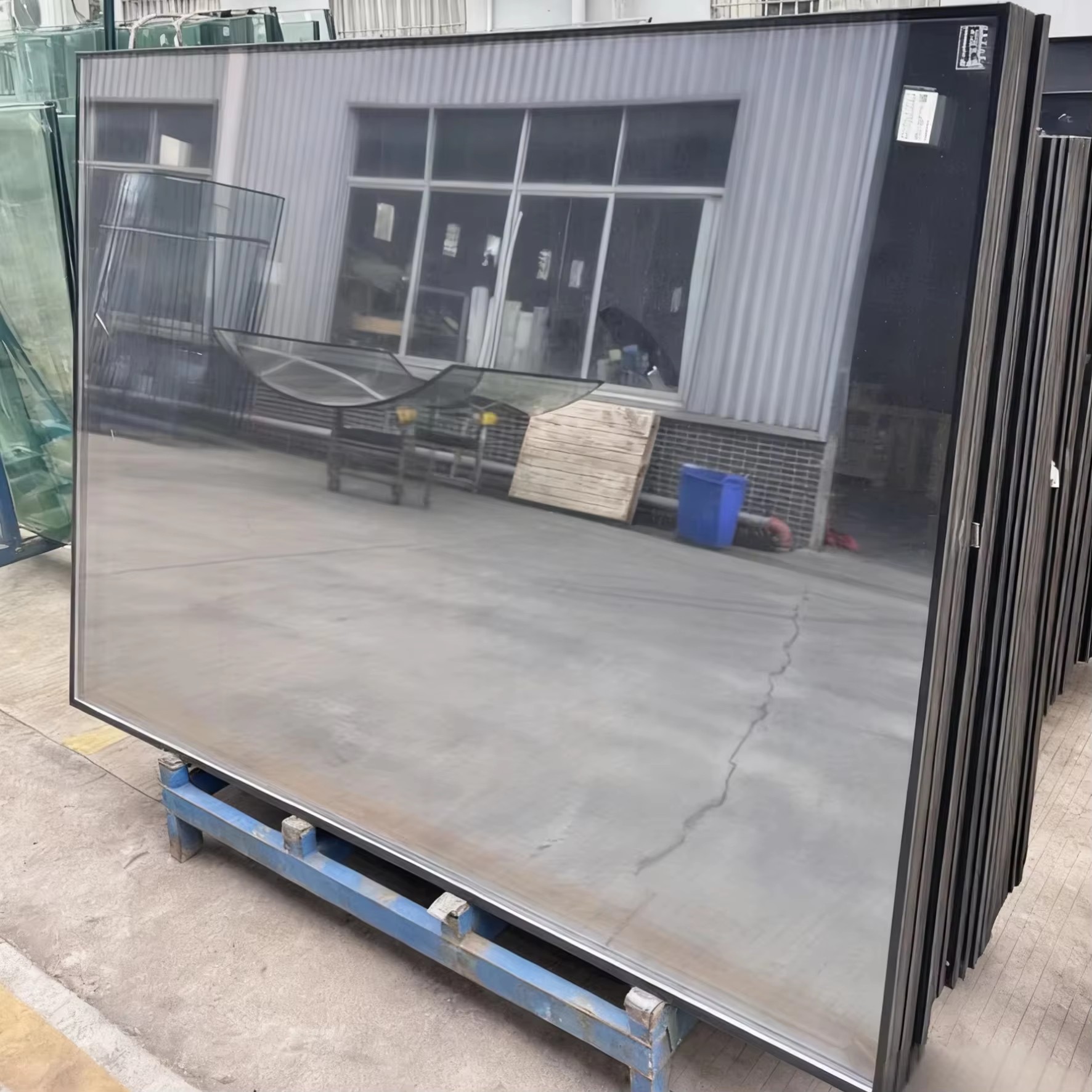
Figure 1: Insulating glass is two or more lites separated by a spacer and sealed at the perimeter. The build-up, not the product name, determines which standard family applies.
The compliance problem: three gaps that stop a shipment
In export practice, the glass is rarely the failing element. The failure is a mismatch between what the specification asked for and what the supplier's documents can prove.
Gap 1 – Construction mismatch
Tempered glass and laminated glass are both described as safety glass, but they behave differently in failure. Tempered glass fragments into small pieces; laminated glass fragments generally remain attached to the interlayer. A file that treats the two as interchangeable cannot be mapped to the correct test basis, and the reviewer will send it back. The same applies to insulating glass, which is defined by its construction — two or more lites, spacer material with a drying agent, and a perimeter seal — rather than by a single performance number.
Gap 2 – Jurisdiction mismatch
European and North American projects do not reference the same documents, and neither references a single document for all glass types. A submittal that quotes one standard for an entire facade is a predictable rejection, because insulating, laminated, and thermally toughened products follow different reference paths.
Gap 3 – Traceability gap
Origin, material composition, batch identity, and warranty are frequently missing from supplier packages until a customs broker or a clerk of works asks. These facts exist before an order is placed and cost nothing to state — but they cannot be reconstructed afterwards.
What the European and North American frameworks actually expect
Both markets are large enough that compliance failures carry real cost. The global construction glass market was valued at USD 119.2 billion in 2025, with Asia-Pacific accounting for 38% of it, according to Fortune Business Insights. Nearly every unit crossing a border into Europe or North America is therefore moving into a jurisdiction where the glass type, the safety function, and the labeling are all separately addressed.
The European reference path
European standards literature maintained by manufacturers commonly lists BS EN 12150 for thermally toughened safety glass, BS EN ISO 12543 for laminated glass, BS EN 1279 for insulating glass units, BS EN 1863 for heat-strengthened glass, and BS EN 14449 for conformity assessment. These are references, not certifications. Confirm the exact edition and applicability with the issuing standards body and with the project specifier before quoting them in a submittal.
The North American reference path
In the United States, safety glazing in hazardous locations is addressed through ANSI Z97.1 and CPSC 16 CFR Part 1201, with labeling requirements described in industry guidance that also references IBC Section 2406.3 and 15 U.S.C. §2063. That guidance identifies the manufacturer, glass type, and thickness as labeling content. Impact performance is commonly cited against ASTM E1886 and ASTM E1996, while EN 12600 appears in European-oriented technical literature. For laminated glass moving under customs, HS code 7007.29 covers laminated glass for structural glazing.
Why the safety decision changes the budget
Reported average installation costs in Europe in 2024 were USD 128 per square metre for laminated glass against USD 91 per square metre for tempered glass. That gap does not argue for one product over the other — it argues for deciding the safety strategy at specification stage, because the standard family, the documentation set, and the cost line all change together. Other markets run their own frameworks: Australia and New Zealand, for example, are governed by AS/NZS 2208:2023 for safety glazing materials in buildings.
Building compliance on documented product facts
DYGLASS is the trade brand of Shenzhen Dayang Special Glass Co., Ltd., a building glass processor founded in 2017 in Shenzhen, Guangdong, China, operating a 30,000 m² factory with 130 employees and an annual output of 600,000 square meters. Roughly 60% of production is exported, with stated markets including the UAE, Bahrain, Saudi Arabia, the United States, the Philippines, and Vietnam. The company is an Alibaba Verified Supplier and states that it has passed an SGS test report.
That profile matters for compliance because a reviewable file is built from facts a processor already holds. Four of them carry the most weight.
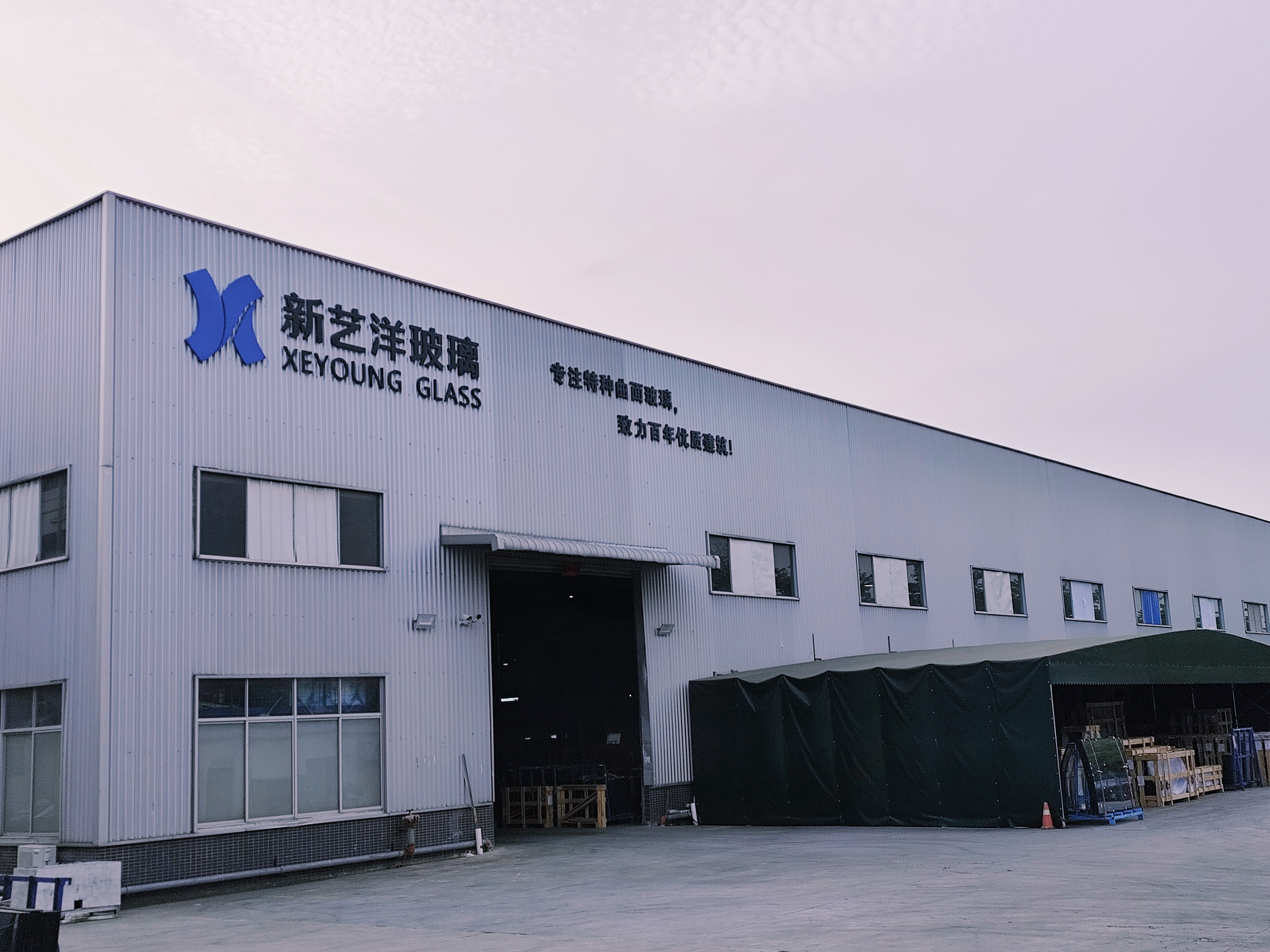
Figure 2: Manufacturing origin is a documentable fact, and it is the first thing a customs broker or a rules-of-origin reviewer will ask for.
Fact 1 – Manufacturing origin
The Building Glass product record states Place of Origin: China, with processing in Shenzhen near Hong Kong. Origin is not a marketing statement; it feeds customs classification, duty calculation, and rules-of-origin review. Stating it in the product sheet removes a question that otherwise surfaces after the vessel has sailed.
Fact 2 – Material composition
Composition determines which standard family applies. The insulating glass model DY-ZK01 is recorded as tempered glass with an aluminum spacer, with warm edge spacer available as an alternative, gas fill options of air, argon, krypton, or xenon, light transmittance of 70%–89%, and sound insulation of 30–45 dB. The laminated glass model DY-JJ01 is recorded at 6.38 mm–50 mm with PVB, SGP, or EVA interlayers of 0.38 mm to 2.28 mm and tempered, float, low-iron, or tinted substrates. The tempered glass model DY-GH01 covers 3 mm to 19 mm with a ±0.5 mm tolerance and light transmittance of at least 91%.
Those numbers are the difference between a submittal that can be checked line by line and one that has to be taken on trust.
Fact 3 – Warranty
The Building Glass product record carries a warranty of more than 5 years, across a thickness range of 3 mm–30 mm. A stated warranty period is a durability commitment in writing, and it is usually a required field in a European or North American submittal package.
Fact 4 – Test and quality evidence
Quality control is recorded as 100% test. The plant operates cutting and edging equipment, tempered production lines, an insulating glass line, and a laminated line with an autoclave; a heat soak furnace is also listed among the production equipment. Heat soaking is relevant to any specification that treats spontaneous breakage risk as a design issue rather than an installation issue, and the furnace being on site means the process is available in-house rather than subcontracted.
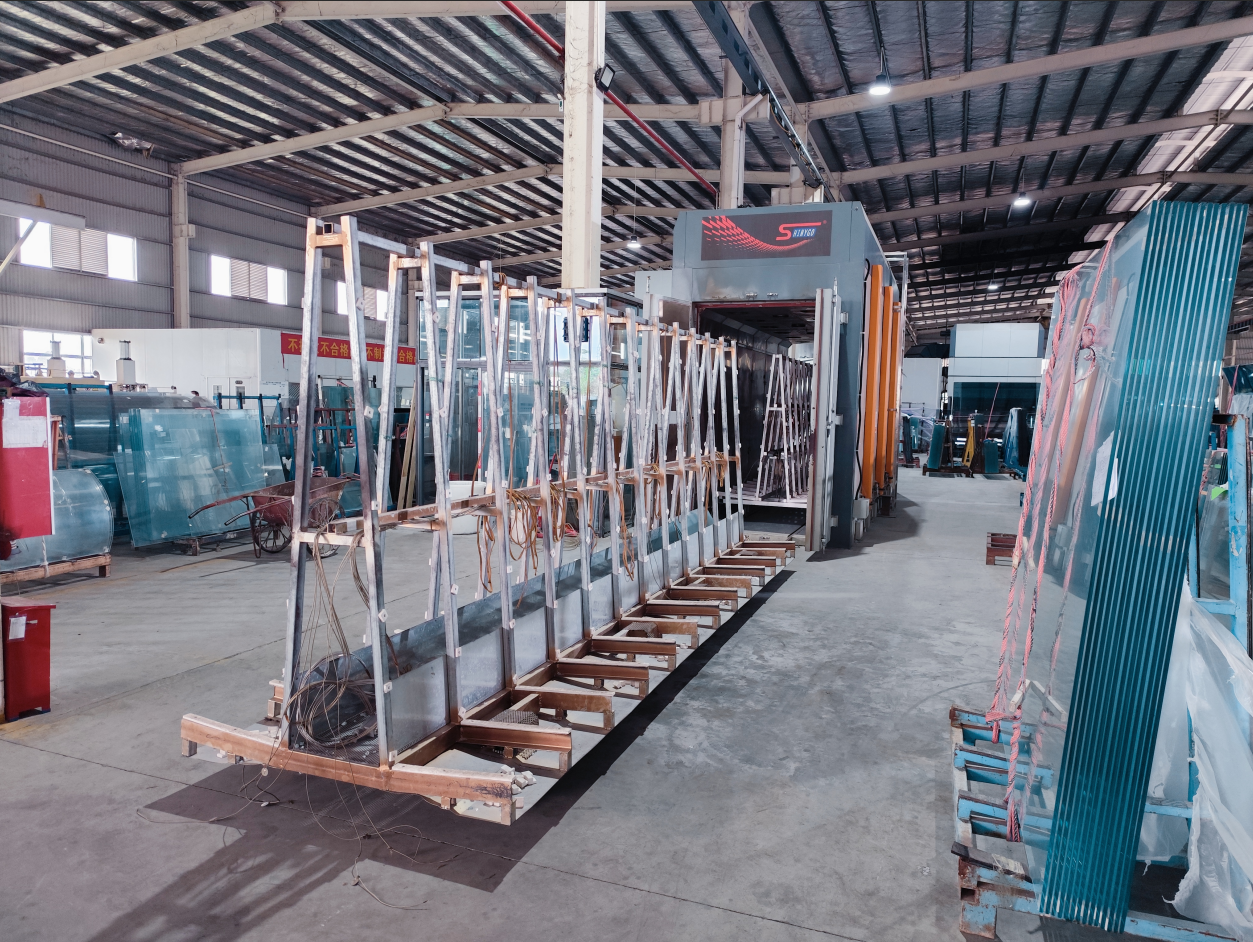
Figure 3: A heat soak furnace on the production floor. Where a specification treats spontaneous breakage risk as a design issue, the process has to exist before it can be documented.
Step-by-step: assembling an export compliance file
The sequence below is designed for a Research-to-Evaluation buyer preparing a first or second order into a European or North American project. Each step produces a document, not an opinion.
Step 1 – Fix the jurisdiction and the code edition
Record the destination country, the applicable building code, the edition in force, and the date it took effect. Where the project is inside the EU, record the member state as well, because national adoption of European standards can differ. Nothing downstream is meaningful until this line is filled in.
Step 2 – Map every build-up to its standard family
List each glass type on the project separately — tempered, laminated, insulating, heat-strengthened, curved — and assign the reference path for each. A facade that mixes insulating units with laminated safety panes needs two entries, not one.
Step 3 – Convert the construction into a written specification
Write the build-up explicitly: for an insulating unit, 6 mm + 12A + 6 mm or 8 mm + 16A + 8 mm, with the spacer type, gas fill, coating, and glass substrate named. For tempered glass, record the thickness, the ±0.5 mm tolerance, the edge work (polished, ground, or beveled), and the required light transmittance. For laminated glass, record the interlayer material and thickness. Vague build-ups cannot be tested against a clause.
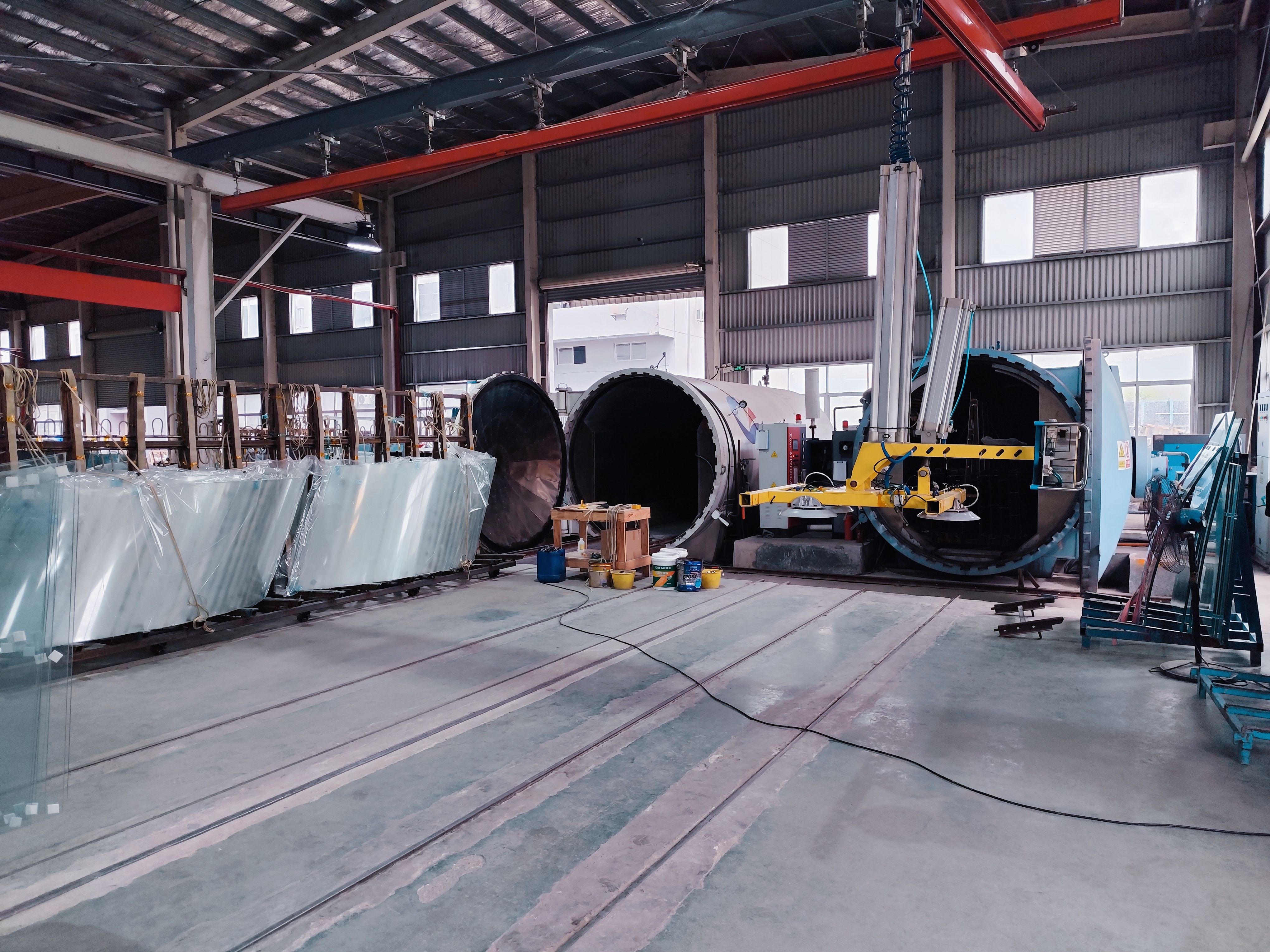
Figure 4: Laminated production runs through an autoclave. Interlayer type and thickness are specification variables, so they belong on the construction sheet rather than in a general brochure.
Step 4 – Request evidence, not adjectives
Ask for the test report, the inspection regime, and the label sample. For a Chinese processor, that means documents such as an SGS test report and verified supplier status — which are useful supporting evidence, and still not a substitute for a product-specific certificate issued for the destination market.
Step 5 – Confirm labeling and marking obligations
In the United States, safety glazing in hazardous locations carries identification requirements covering manufacturer, glass type, and thickness. Confirm what the label will say before production, because a label printed wrong is a rework item, not a paperwork item.
Step 6 – Lock warranty, after-sales, and logistics data
Record the warranty period, the after-sales scope, the minimum order, and the production lead time. For DYGLASS, the recorded figures are 10 square meters minimum order, a 7–9 day lead time, and after-sales coverage including online technical support, onsite inspection, onsite training, return and replacement, and onsite installation.
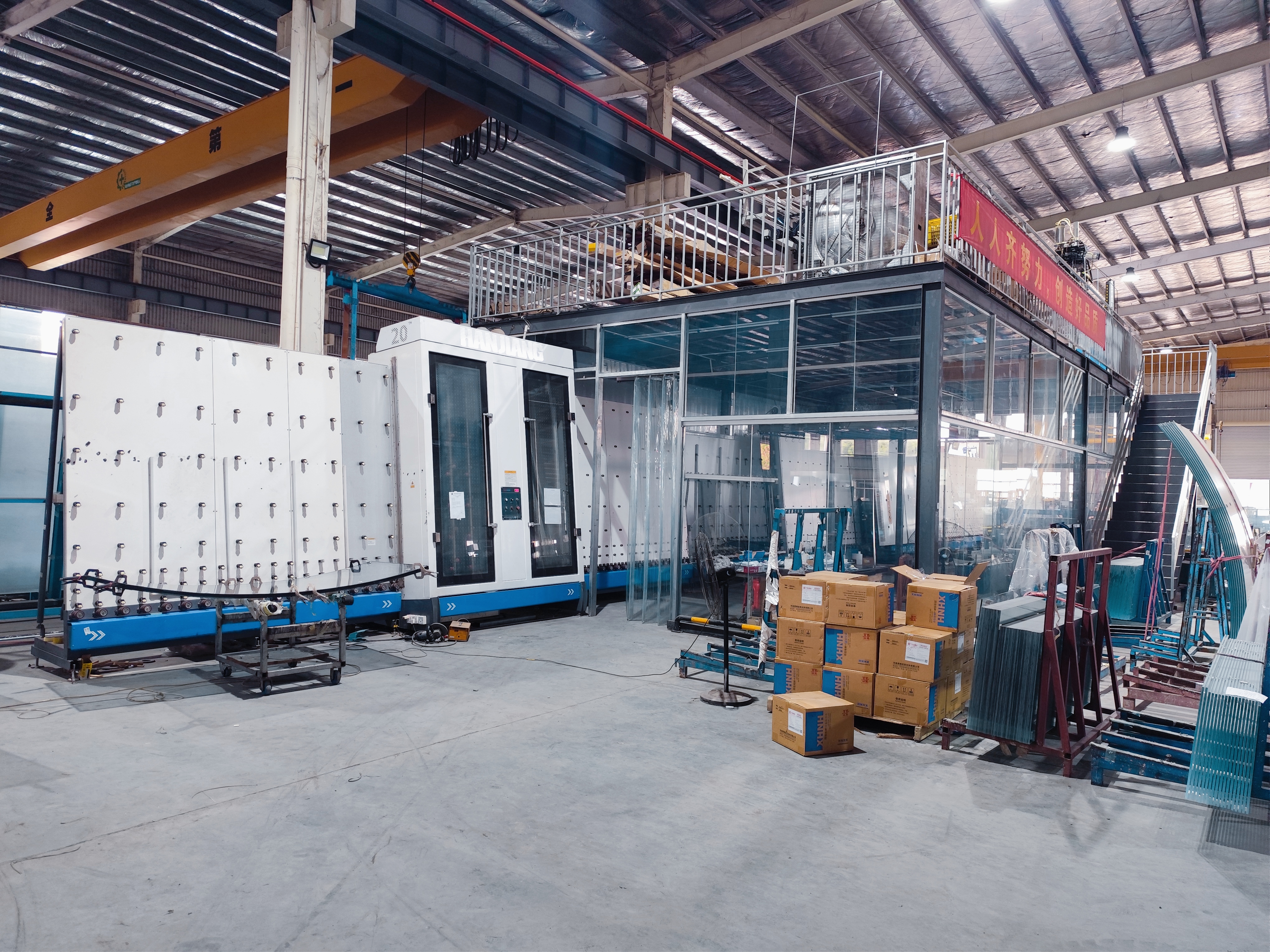
Figure 5: Insulating glass assembly. Spacer type, gas fill, and seal quality are the variables that an insulating unit review will interrogate.
Where compliance pressure is highest: application scenarios
Not every project carries the same documentation load. These are the applications where the review is heaviest and where DYGLASS product data is most directly relevant.
High-rise facades and curtain walls
This product is specified for high-rise facades, spherical domes, luxury storefronts, glass pools, and landmark buildings, where high precision, wind resistance, and complex curvature capability are the deciding requirements. Tall facades concentrate review attention on safety glazing selection, on impact and wind performance, and on the labeling of every unit at every level.
Curved and multi-curved envelopes
Curved glass is assessed against the underlying build-up — the tempered or laminated construction — plus project-specific requirements for geometry and optical quality, because no single construction standard in the available evidence set covers curvature alone. The plant processes multi-curved, double curved, triple curved, trapezoid, spherical, pyramidal, S-shape, cylindrical, and positive and negative curved tempered glass, which is the capability that makes a curved specification answerable at all.
Hotels and commercial interiors
In a recorded project for a UAE hotel, 4,000 square meters of architectural glass was supplied and remains in stable operation, with heat insulation, sound insulation, and appearance given as the outcome. Hospitality projects combine safety glazing requirements with acoustic and thermal demands, which is why the insulating and laminated build-ups are usually both present in the same schedule.
Special and protective requirements
Some applications carry additional requirements including bulletproof glass, fire-resistant glass, and special-shaped glass. Each of these sits outside the general construction standards and requires its own evidence trail, so they should be flagged at inquiry stage rather than at submittal stage.
It is also worth recording the operating mode: these products operate under fixed installation, long-term static operation, serving as decorative and functional building materials within construction, decoration, and municipal engineering. Static service life is what a warranty of more than 5 years is actually measured against.
Build-up reference table
The table below separates product construction from the standards commonly referenced for it. Read the middle column as the construction facts in the product data, and the right-hand column as the reference path — not as proof of certification.
| Glass build-up | Recorded construction facts | Reference path commonly cited |
|---|---|---|
| Tempered (DY-GH01) | Float glass substrate; 3–19 mm thickness; ±0.5 mm tolerance; light transmittance ≥91%; polished, ground, or beveled edges | BS EN 12150 for thermally toughened safety glass; ANSI Z97.1 and CPSC 16 CFR Part 1201 where safety glazing applies |
| Laminated (DY-JJ01) | 6.38–50 mm; PVB, SGP, or EVA interlayer at 0.38–2.28 mm; tempered, float, low-iron, or tinted substrate; 85%–92% light transmittance clear | BS EN ISO 12543; safety glazing evidence under ANSI Z97.1 and CPSC 16 CFR Part 1201; ASTM E1886 and ASTM E1996 where impact is specified; HS 7007.29 for customs |
| Insulating (DY-ZK01) | 6+12A+6 or 8+16A+8; tempered glass with aluminum or warm edge spacer; air, argon, krypton, or xenon fill; 70%–89% light transmittance; 30–45 dB | BS EN 1279 for insulating glass units; project-specific performance values confirmed with the specifier |
| Heat-strengthened | Not a separate model in the current product data | BS EN 1863 appears in European standards literature alongside thermally toughened and laminated references |
| Curved / multi-curved | Multi-curved, double curved, triple curved, trapezoid, spherical, pyramidal, S-shape, cylindrical, and positive and negative curved tempered glass | Assessed via the underlying tempered or laminated build-up plus project-specific geometry requirements |
Standards references are drawn from manufacturer-maintained and industry-association literature and must be confirmed with the issuing body and the project specifier before use in a submittal.
What belongs in the compliance file
| Document | Example from available product data | What it proves |
|---|---|---|
| Jurisdiction and code edition | Destination country, applicable code, edition and effective date | Which reference path applies at all |
| Construction sheet | Insulating glass 6 mm + 12A + 6 mm, tempered glass with aluminum spacer | That the correct standard family has been selected |
| Standards reference | BS EN 1279, BS EN ISO 12543, BS EN 12150, ANSI Z97.1 | The test basis being claimed — not the certificate itself |
| Test and inspection evidence | 100% test regime; SGS test report; Alibaba Verified Supplier status | That the claim has been checked rather than asserted |
| Origin and material statement | Place of Origin: China; material: tempered glass and aluminum spacer | Customs classification, duty, and rules-of-origin review |
| Warranty statement | More than 5 years on Building Glass (DY), thickness 3–30 mm | A written durability commitment for the static service life |
| Label and marking sample | Manufacturer, glass type, and thickness identification for safety glazing | Site inspection and project approval |
Frequently asked questions
Which standards are typically referenced for tempered, laminated, and insulating glass in Europe?
European standards literature commonly references BS EN 12150 for thermally toughened safety glass, BS EN ISO 12543 for laminated glass, BS EN 1279 for insulating glass units, BS EN 1863 for heat-strengthened glass, and BS EN 14449 for conformity assessment. These are standard references rather than certificates, so a supplier submittal should state which standard applies to which build-up, and the reference should be confirmed with the issuing standards body and the project specifier before it is used in a submittal.
What documentation should accompany an exported building glass order?
At minimum: a construction sheet naming glass type, thickness, interlayer or spacer, gas fill, and coating; an origin and material statement, for example Place of Origin China with tempered glass and aluminum spacer; test and inspection evidence, such as a 100% test regime supported by an SGS test report and verified supplier status; and a warranty statement, such as more than 5 years on Building Glass. Where the destination requires safety-glazing labeling, a label sample identifying manufacturer, glass type, and thickness should be added to the same file.
Can a China-based processor deliver glass built to European or North American project specifications?
DYGLASS, the trade brand of Shenzhen Dayang Special Glass Co., Ltd., operates cutting and edging, tempered lines including a double curved tempering line, an insulating glass line, a laminated line with autoclave, and a heat soak furnace. Customization covers size, thickness, shape, tempering, insulating and laminated build-ups, hot bending and bent tempering, coating such as Low-E, ceramic frit, and heat insulation, ultra-clear glass, fire-resistant glass, and smart switchable glass. Manufacturing capability is not the same as certified conformity, however: whether a specific build-up satisfies a specific clause has to be confirmed against the project specification and the test evidence for that product.
What order size is needed to start, and what does the compliance work add to the budget?
The recorded minimum order is 10 square meters, so a first order can be small enough to validate a build-up before a full facade package is released. On budget, the compliance decision and the cost decision are connected: reported average installation costs in Europe in 2024 were USD 128 per square metre for laminated glass against USD 91 per square metre for tempered glass, so the safety strategy chosen at specification stage is also the cost strategy.
How long does production take, and what usually extends the timeline?
The recorded lead time is 7–9 days, supported by an annual output of 600,000 square meters. What extends a project timeline is rarely glass production itself: it is document review, submittal approval, label confirmation, and any third-party testing required for the destination market, all of which sit outside the production window. Starting the compliance file at inquiry stage rather than at shipment stage is the single most effective way to keep a delivery date intact. The company catalogue, including product and capability details, can be downloaded here: DYGLASS product brochure (PDF).
Conclusion
Compliance for exported building glass is a documentation discipline that starts with construction facts. A tempered pane, a laminated assembly, and an insulating unit each follow a different reference path, and each is only as credible as the sheet that describes it. Origin, material composition, and warranty are not decorative details — they are the facts that let a specifier, an inspector, and a customs broker reach the same conclusion.
For buyers moving from research into evaluation, the practical rule is simple: settle the jurisdiction, write the build-up, request the evidence, and confirm the label before production. Everything else follows from those four steps.
Next step: check the file against your specification
Send the project jurisdiction, the glass build-up, and the standard your specification references. DYGLASS will respond with the matching construction sheet, available test and quality documentation, warranty terms, and a quotation — with the compliance items listed explicitly rather than implied.
Website: www.dayangglass.com | Email: info@dayangglass.com | Tel: +86-136 9211 0212 | Catalogue: Download the DYGLASS brochure
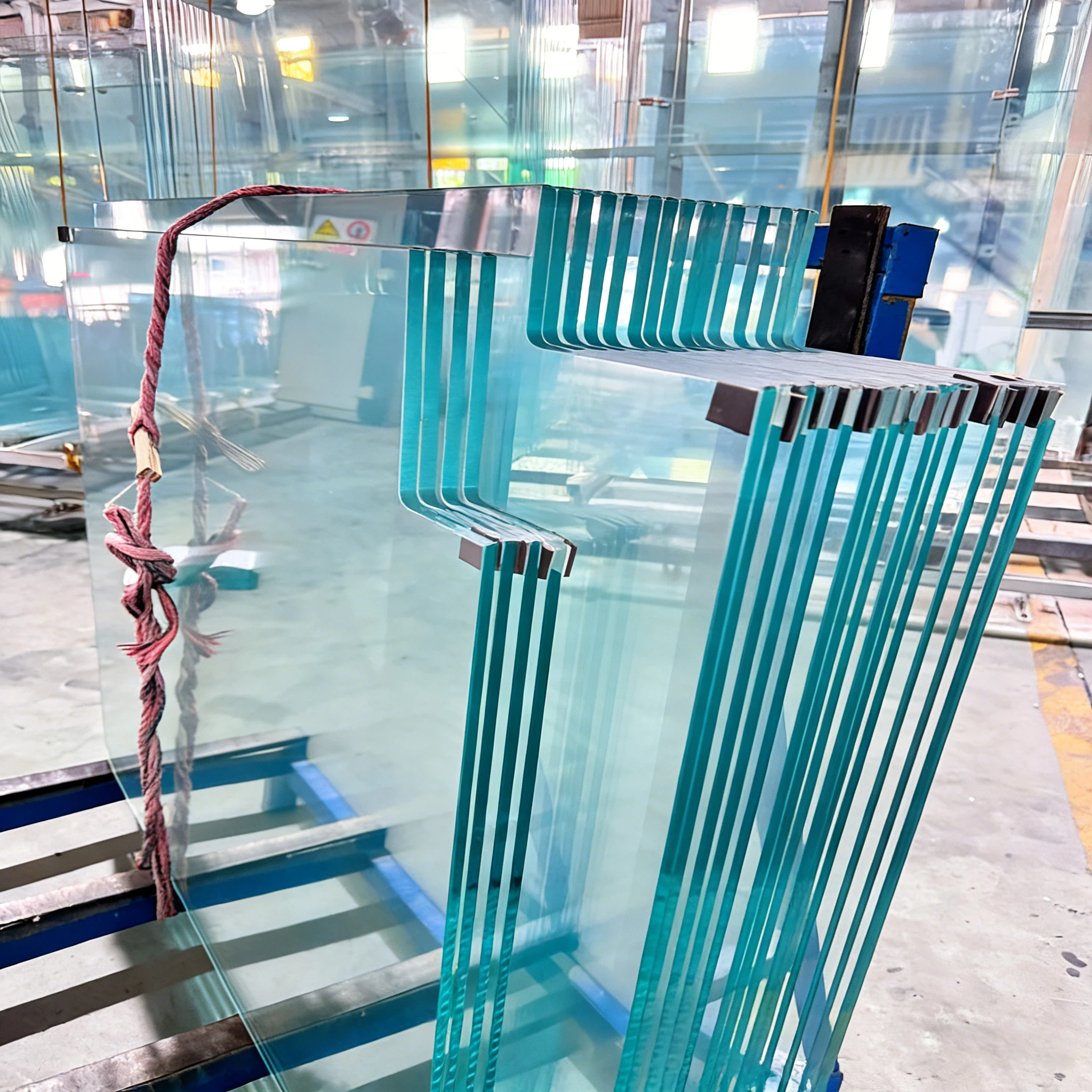
Tempered building glass (model DY-GH01), 3–19 mm with ±0.5 mm tolerance, produced to documented construction requirements.
Have Questions or Need More Details?
Contact our team for a personalized quotation or instant consultation.
Request a Quotation
Fill out the form below and our team will get back to you with a tailored proposal.
WhatsApp Direct Chat
Prefer to chat in real-time? Message us on WhatsApp for instant assistance & quick answers.
- Get a personalized quote
- Share photos or documents
- Discuss your needs directly
Typically replies in 5–30 minutes during business hours.