
Mastering Glass Specs: A Deep Dive into Thickness, Interlayers, and Gas Fills
Short answer: a building glass specification such as 6mm+12A+6mm, Low-E tempered, argon filled does not name one product. It compresses four independent procurement decisions into a single string: the thickness of each pane, the interlayer system that holds laminated units together, the gas filling the cavity between panes, and the substrate the panes are made from. Each token can be specified, substituted or challenged, and each one carries its own documentation and compliance consequence.
This guide is written for procurement professionals, façade specifiers and curtain wall engineers in the research and evaluation stage who need to read a glass specification the way a manufacturer reads it. Shenzhen Dayang Special Glass Co., Ltd., trading as DYGLASS (www.dayangglass.com), is a Shenzhen-based manufacturer of building glass — laminated, toughened, insulated, curved and smart glass — exporting to markets including the UAE, Bahrain, the United States, Vietnam and the Philippines. Product and certification facts below come from DYGLASS specification sheets and certificates, and from published European and North American glass standards.
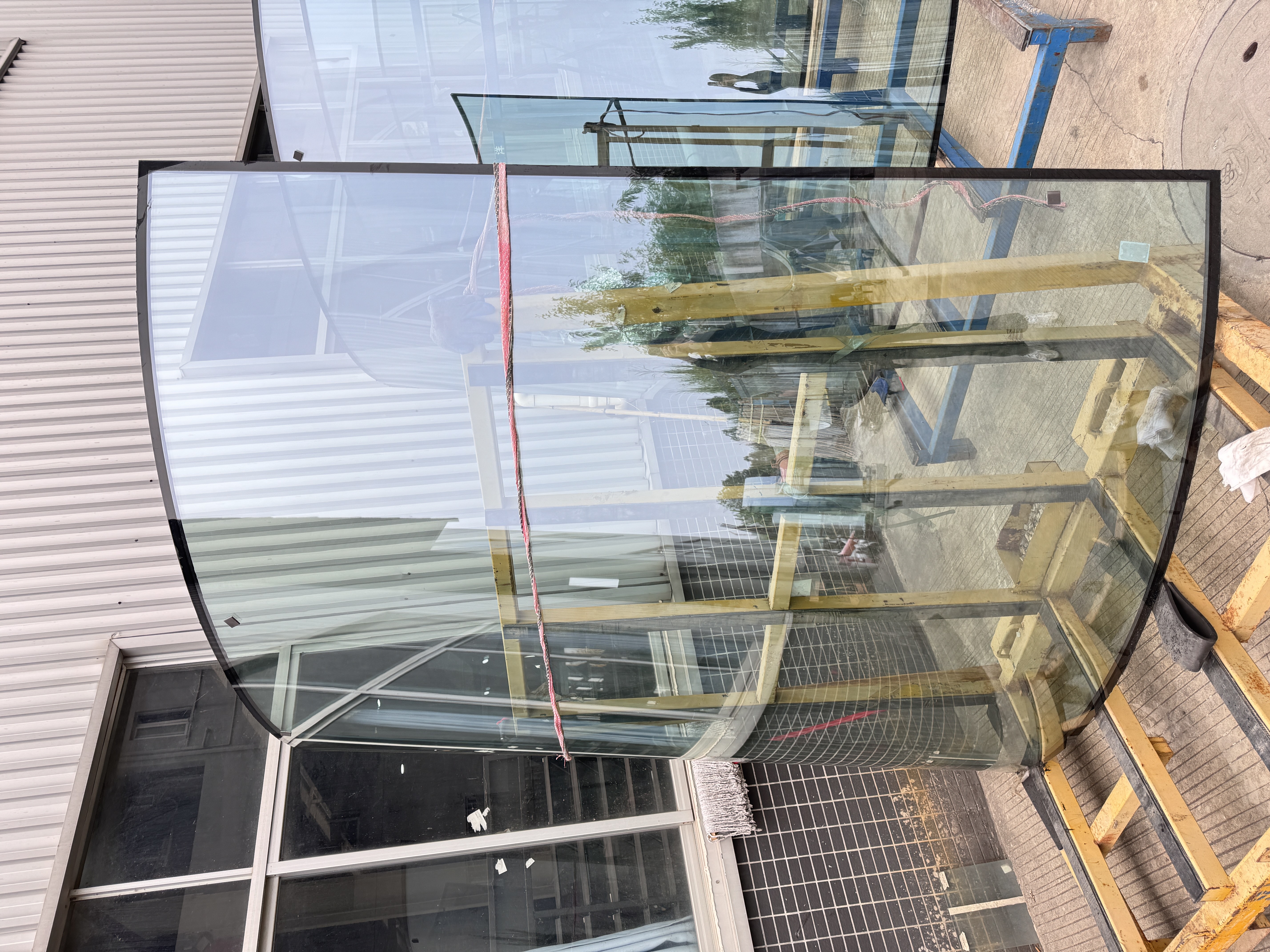
Why a Glass Spec Sheet Is a Procurement Document, Not a Design Footnote
A specification string is deliberately short, and that brevity is exactly what makes it easy to approve without scrutiny. The tokens look like typography; they behave like contract terms. Change one and you have changed the delivered product, the certificate that covers it, and the evidence pack that travels with the container to site.
Four recurring problems appear when buyers treat the string as a name rather than a configuration:
- Silent substitution. Two laminated products can share an overall thickness of, for example, 10.38 mm while using different interlayer types or interlayer thicknesses. Without the interlayer named on the drawing and on the certificate, the substitution is invisible at goods-in inspection.
- Compliance drift. CE marking is declaration-specific, not brand-specific. Tempered glass is declared under EN 12150, laminated glass under EN 1449, and insulating glass under the EN 1279 series. A single project can require three separate declarations for three products from the same factory.
- Cavity assumptions. "12A" and "16A" describe the cavity width, not a preference. If the drawing says 8mm+16A+8mm and the quotation quietly offers 6mm+12A+6mm, the thermal and acoustic assumption behind the façade calculation has moved.
- Gas default. Insulated glass can be quoted with air as the cavity fill, or with argon, krypton or xenon. The gas is a selectable option in the specification, so it should be written down rather than assumed.
The rest of this article rebuilds an architectural glass specification from the parameters upward, so that each number and each option can be traced back to a decision a buyer actually controls.
Industry Background: Why Specification Discipline Is Tightening
Architectural glass is no longer a narrow purchase category, and the published market data reflects that scale. The global construction glass market was valued at USD 119.2 billion in 2025 and is projected to reach USD 189.33 billion by 2034, according to Fortune Business Insights. China's glass market was estimated at USD 31.2 billion in 2024 and is expected to grow to USD 55.0 billion by 2035, per Market Research Future.
Volume tells the same story from the production side. Architectural glass accounts for nearly 70% of global flat glass production, which exceeds 120 million metric tons annually, based on Business Research Insights. On the trade side, China exported USD 676 million in "glass with edge workings" in 2024, equal to 22% of total global exports in that category, according to the Observatory of Economic Complexity.
Two consequences follow for procurement teams. First, cross-border comparison is now routine: buyers routinely evaluate Chinese-processed building glass against European and Japanese supply, which means the configuration must be described in terms that survive translation between suppliers. Second, the option set is widening — the global smart glass market alone was valued at approximately USD 8.2 billion in 2025, with electrochromic technology holding a 61.3% share, according to Grand View Research.
The Specification Stack: Four Decisions Hidden in One String
DYGLASS insulated glass, model DY-ZK01, is specified in the standard format 6mm+12A+6mm or 8mm+16A+8mm, with custom combinations available. Decoding a single string shows how the decisions stack, and where a buyer can intervene.
1. Thickness: reading the pane numbers and the limits behind them
The numbers before each "A" describe individual glass panes; the number with the "A" describes the nominal cavity width in millimetres. DYGLASS tempered glass, model DY-GH01, is produced in 3 mm, 4 mm, 5 mm, 6 mm, 8 mm, 10 mm, 12 mm, 15 mm and 19 mm thicknesses with a thickness tolerance of ±0.5 mm and light transmittance of ≥91%. General building glass from the same range covers 3 mm to 30 mm, with a warranty of more than five years.
Laminated thickness is counted differently, because it includes the interlayer. DYGLASS laminated glass, model DY-JJ01, covers a thickness range of 6.38 mm to 50 mm. The 6.38 mm starting point reflects a thin build-up of two panes bonded by a 0.38 mm interlayer — the thinnest interlayer listed in the DY-JJ01 specification — which is why laminated thickness should never be compared to monolithic thickness as if the two numbers meant the same thing.
2. Interlayers: the parameter most often left unnamed
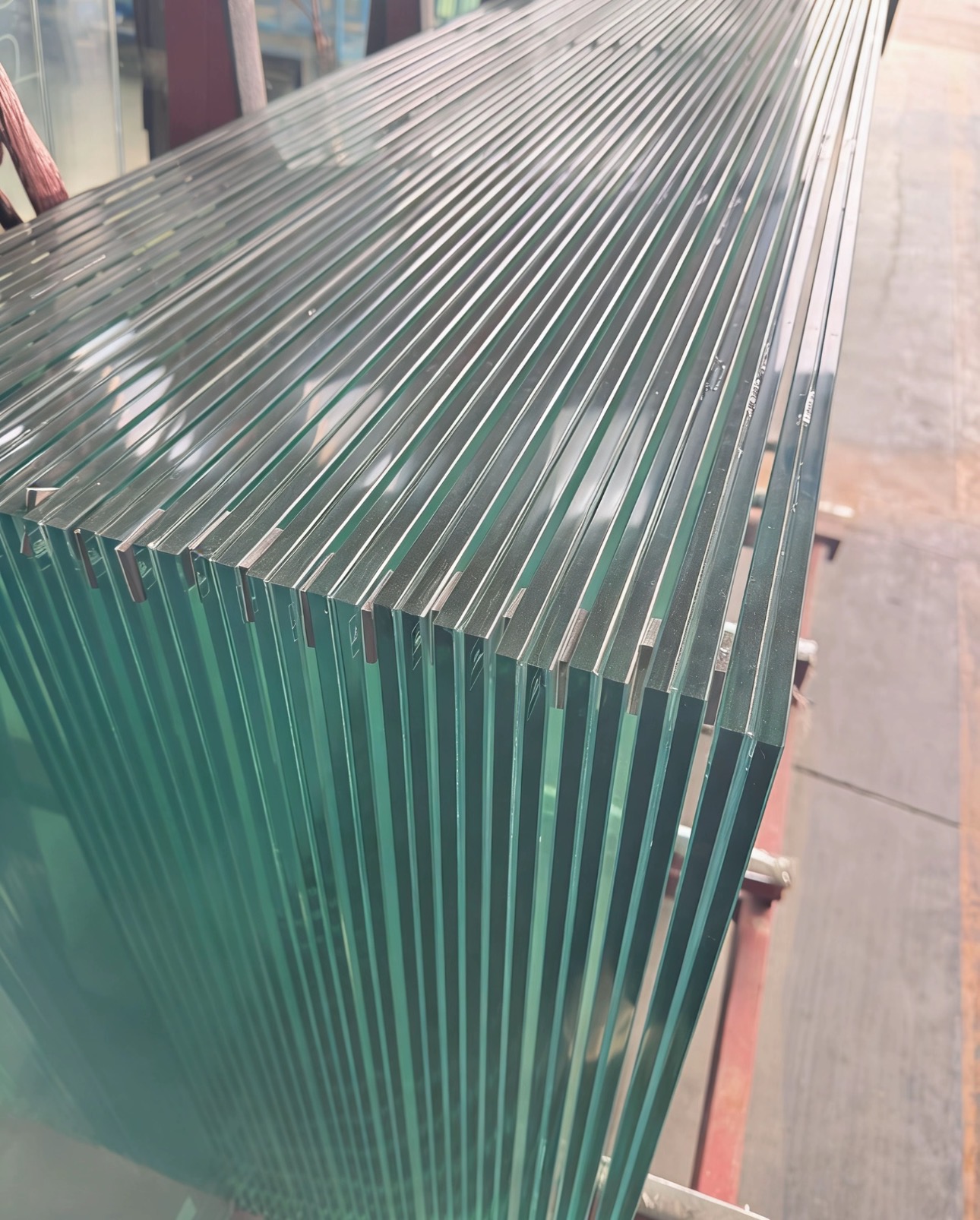
DY-JJ01 laminated glass is available with PVB, SGP or EVA interlayers in thicknesses of 0.38 mm, 0.76 mm, 1.14 mm, 1.52 mm and 2.28 mm. The substrate beneath the interlayer can be tempered glass, float glass, low-iron glass or tinted glass. Light transmittance is 85%–92% for clear builds and 10%–70% for tinted builds, and sound insulation is rated between 35 dB and 45 dB. The product family covers tempered laminated safety glass, bulletproof laminated glass, fire-resistant laminated glass and curved laminated glass.
For evaluation purposes, the practical rule is simple: interlayer type and interlayer thickness belong in the written specification. Total thickness alone does not describe what is being bought.
3. Cavity and gas fill: where insulated glass is actually defined
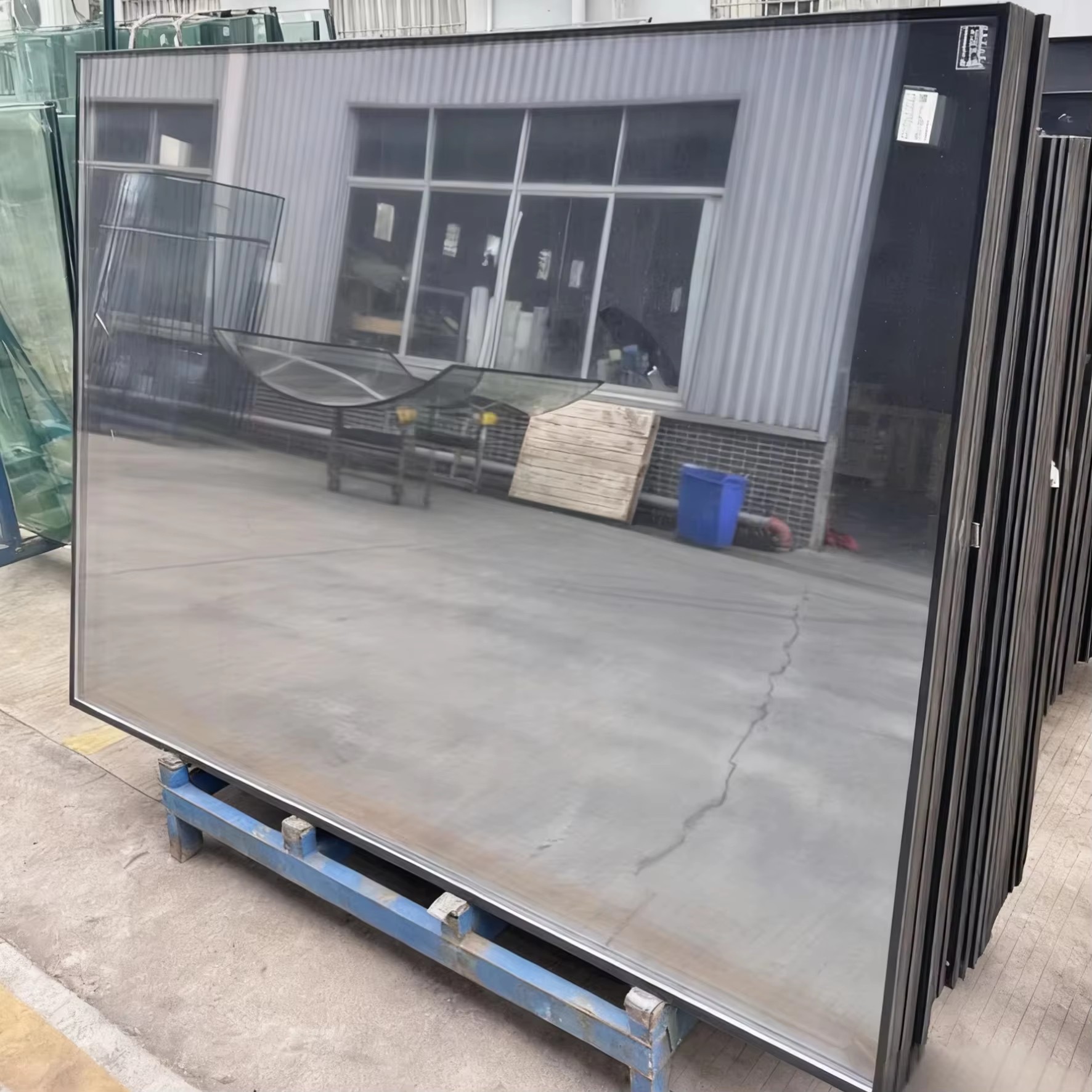
DYGLASS insulating glass, model DY-ZK01, is built in 6mm+12A+6mm and 8mm+16A+8mm configurations with custom combinations available. The glass type can be clear float, Low-E, tempered or low-iron; the spacer bar can be aluminium or warm edge; and the cavity fill can be air, argon, krypton or xenon. Light transmittance for the range is 70%–89% and sound insulation is 30 dB–45 dB.
Gas fill is an option, not a default. As a general industry principle, dense inert gases are commonly selected for the cavity instead of air because they are heavier and reduce convection within the sealed space; the four fills available in this specification are air, argon, krypton and xenon. Whichever is selected should appear on the quotation line, not only in the supplier's internal notes.
4. Substrates: the layer that sits beneath every other parameter
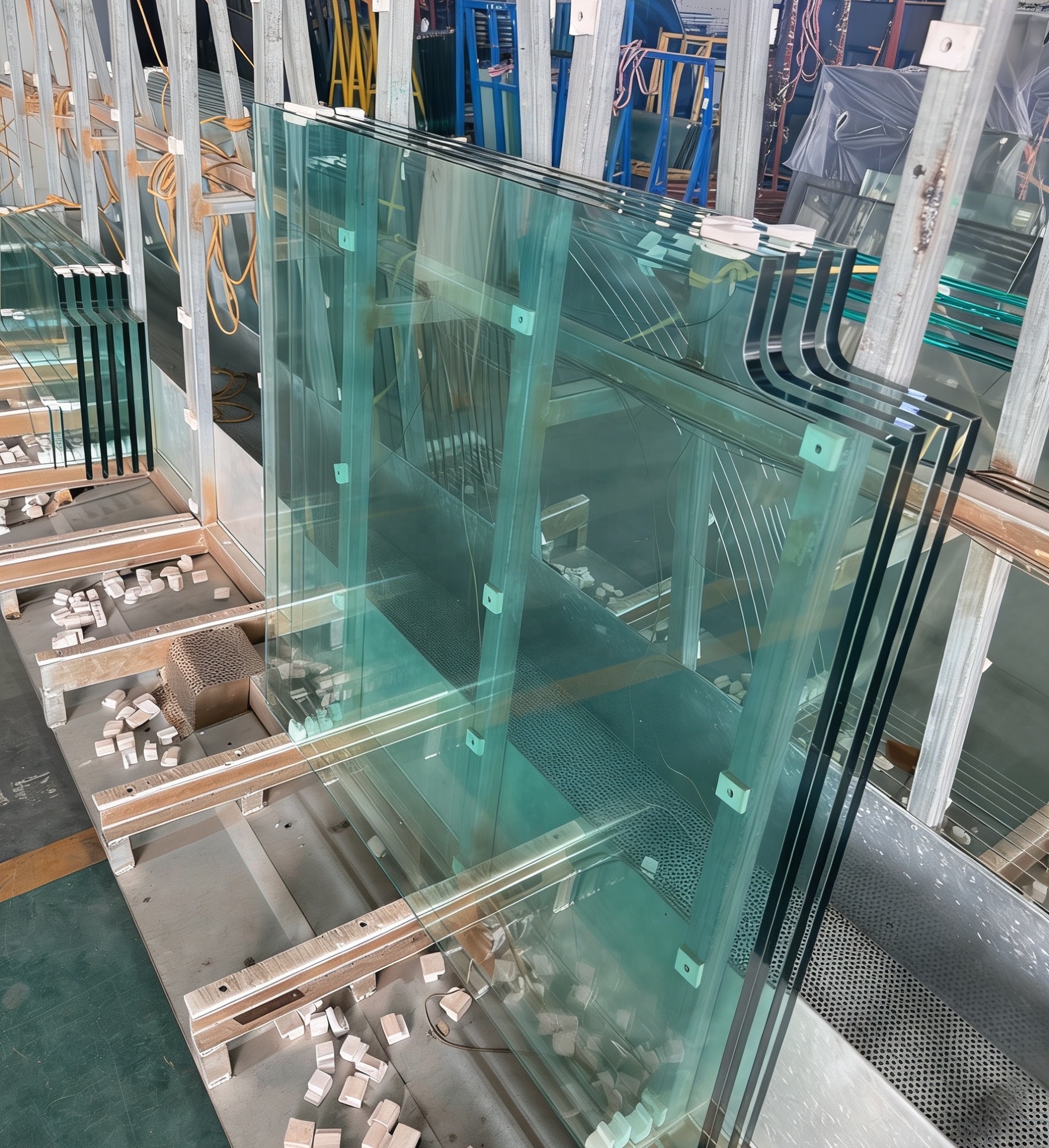
Substrate choice explains most of the transmittance spread inside a single product family. Tempered glass carries light transmittance of ≥91% with a ±0.5 mm thickness tolerance, and is available as flat tempered glass, curved tempered glass, tempered glass with holes, and with polished edges. Laminated glass moves between 85% and 92% transmittance in clear builds. Insulated glass sits at 70%–89%, because the figure reflects the combination of substrate, coating and cavity rather than any single pane.
DYGLASS customisation capability extends across these substrates through size, thickness and shape customisation (square, round, special-shaped, curved and bent), tempering treatment, insulating and laminated glass customisation, hot bending and bent tempering, coating customisation (heat insulation, Low-E, ceramic frit), ultra-clear glass, fire-resistant glass, smart switchable glass, fine polished or rough ground edges, and hole drilling for round, square and special-shaped holes.
5. Compliance: the parameter that can invalidate every other one
For EU and EEA projects, three DYGLASS product lines hold CE certification issued by ECTI CERT Ltd. under the Construction Product Regulation 305/2011/EU. The certificates are valid from 2026-03-03 to 2031-03-03. Buyers evaluating compliance should match the certificate to the specific product, because the standards are not interchangeable.
Step-by-Step: Building and Verifying a Glass Specification
The sequence below is written for a buyer moving from research into evaluation. It keeps performance requirements ahead of product names, which is the order in which a factory can actually respond.
- State the performance requirement first. Define what the façade must do — thermal control, acoustic separation, safety, security, fire resistance — before naming a product type. A requirement produces a configuration; a product name only produces a quotation.
- Fix the substrate. Choose between clear float, Low-E, tempered, low-iron and tinted glass, and record whether a coating is required. Ultra-clear and ceramic frit coating options exist where the design calls for them.
- Set pane thickness and cavity width. Select from the 6mm+12A+6mm or 8mm+16A+8mm insulated formats, or a custom combination, and confirm monolithic thickness for tempered panes from the 3–19 mm range.
- Name the interlayer. Specify PVB, SGP or EVA and the interlayer thickness (0.38 mm, 0.76 mm, 1.14 mm, 1.52 mm or 2.28 mm) for every laminated line item.
- Select gas fill and spacer. Choose air, argon, krypton or xenon, and aluminium or warm edge spacer, and write both onto the specification sheet.
- Map compliance to the destination market. For EU/EEA delivery, confirm which CE certificate covers which product line and which standard version applies, then attach that mapping to the purchase order.
- Validate before scaling. Request a quotation and a validation quantity against the final configuration, and confirm the production parameters that will apply.
On the supply side, several operational figures help a buyer plan the evaluation timeline. DYGLASS operates a 30,000 m² factory with 130 employees, an annual output of 600,000 square metres and a monthly capacity of the same figure, with production controlled at 100% test. The stated lead time is 7–9 days, and the minimum order quantity is 10 square metres.
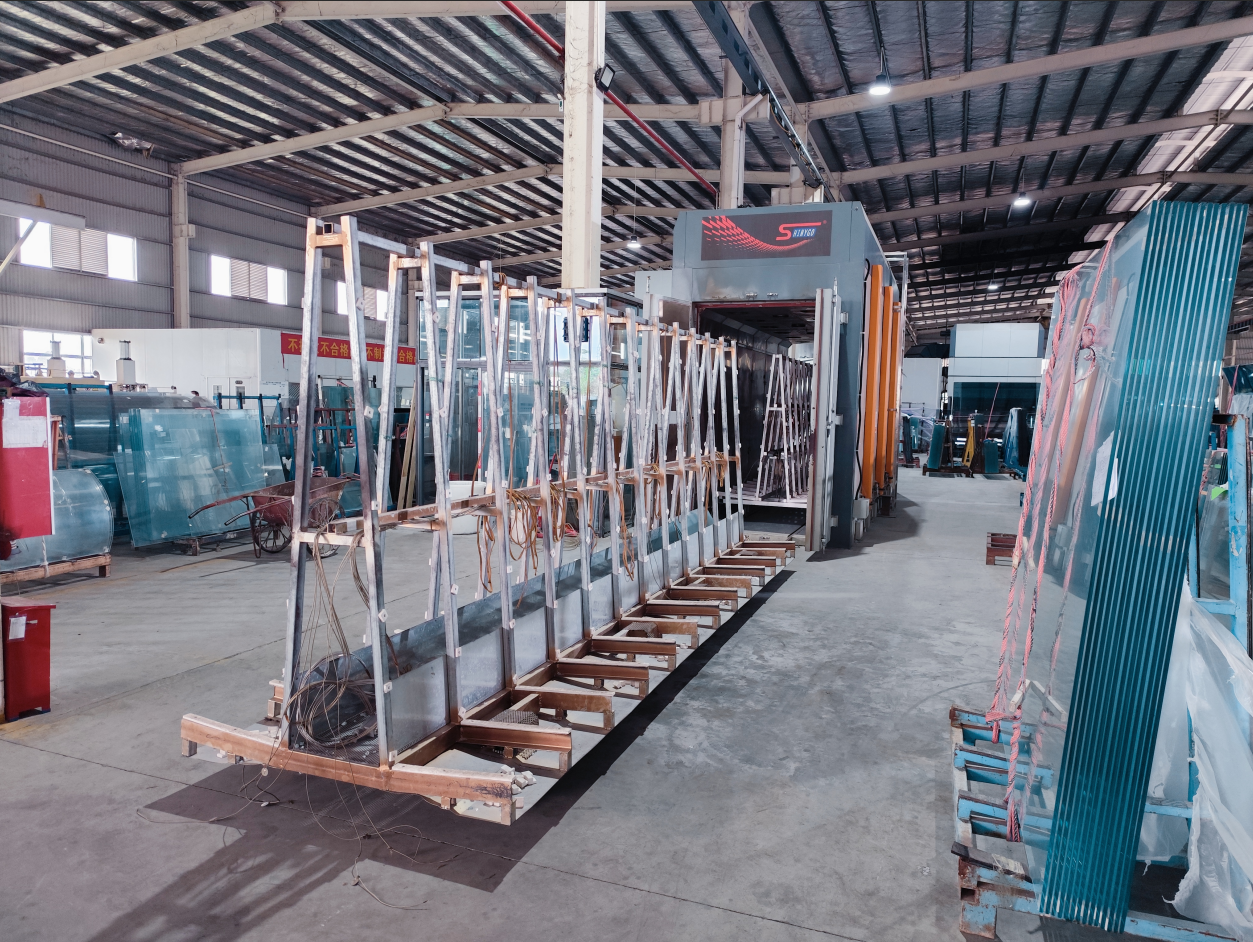
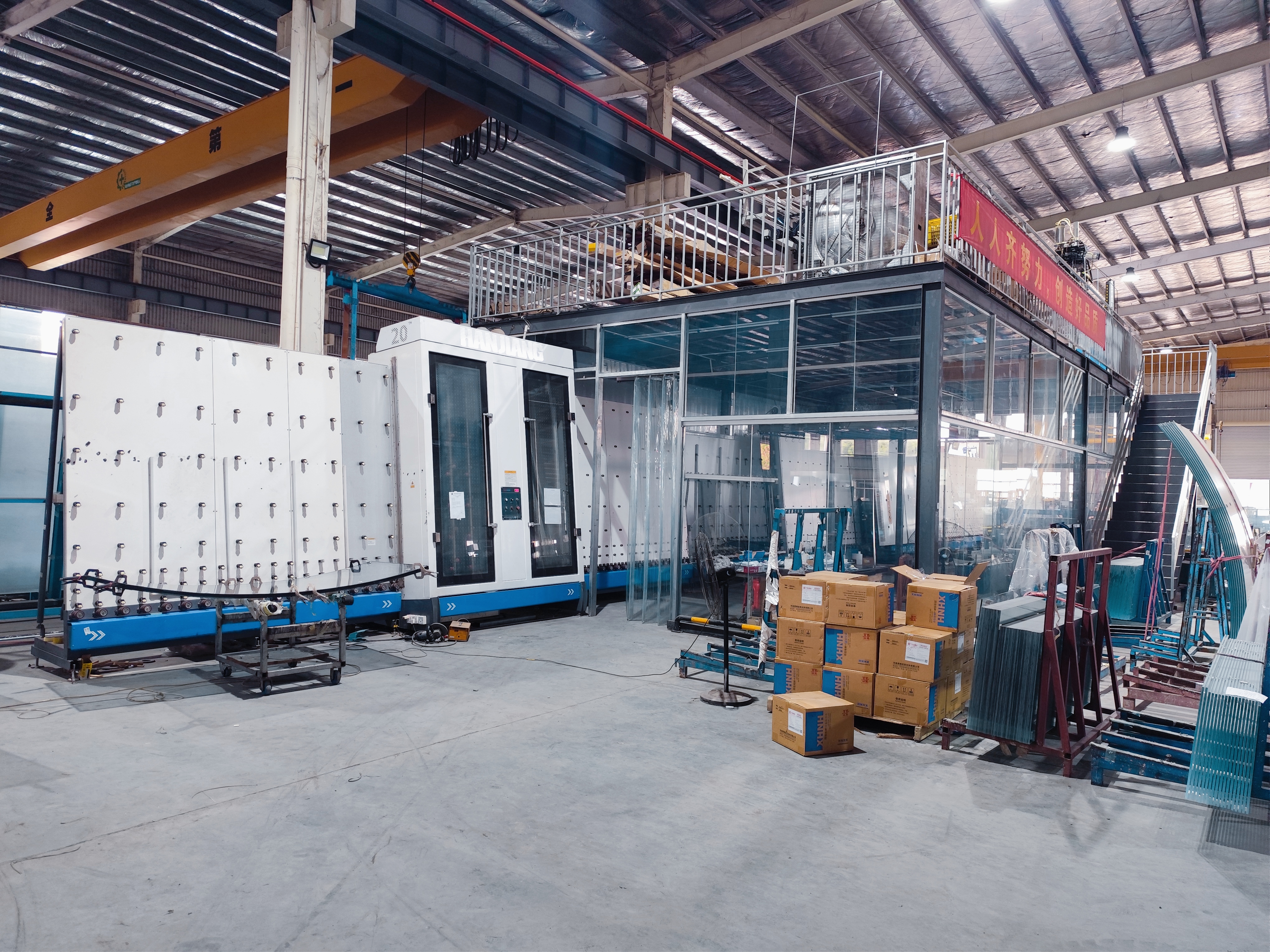
Production capability matters to the specification because some parameters can only be executed on specific lines. The DYGLASS plant includes a flat and curved tempering line, a concave, convex and irregular curved tempering line, a double curved tempering line, an insulated line, an autoclave for laminated processing, cutting, drilling, edge grinding and a heat soak furnace.
What to send with an enquiry
A complete enquiry avoids the two most common delays — clarification rounds on configuration, and re-quotation after a specification change. The minimum data set is: product type; overall thickness or insulated build-up; substrate; interlayer type and thickness (for laminated items); cavity gas fill and spacer (for insulated items); flat, curved or special-shaped geometry; edge and hole requirements; quantity; and destination market for compliance purposes.
Where These Specifications Are Tested: Use Cases
Configuration choices only prove themselves in application, and the application types below each place different weight on thickness, interlayer and cavity decisions.
- Curtain wall and window systems. Insulated glass formats such as 6mm+12A+6mm and 8mm+16A+8mm are the standard building block for curtain wall and window units, where cavity width and gas fill drive the thermal assumption behind the façade calculation.
- Hospitality projects. A DYGLASS project delivered 4,000 square metres of hotel architectural glass in the UAE, with heat insulation, sound insulation and aesthetic appearance recorded as the project highlights and stable operation reported as the outcome. In hospitality, laminated acoustic builds in the 35–45 dB range and insulated builds in the 30–45 dB range are the parameters that reach the guest room.
- Transport infrastructure. Glass supplied for Huizhou North Railway Station, Nanchang East Railway Station and Doha Metro Station sits in an environment where safety performance and repeatable edge work matter as much as appearance.
- Commercial and institutional buildings. Applications include Guangzhou Financial City and the China Nano Research Institute, plus a high-end commercial building in the Philippines and the Opus Dubai and Hong Kong project TMT542 references.
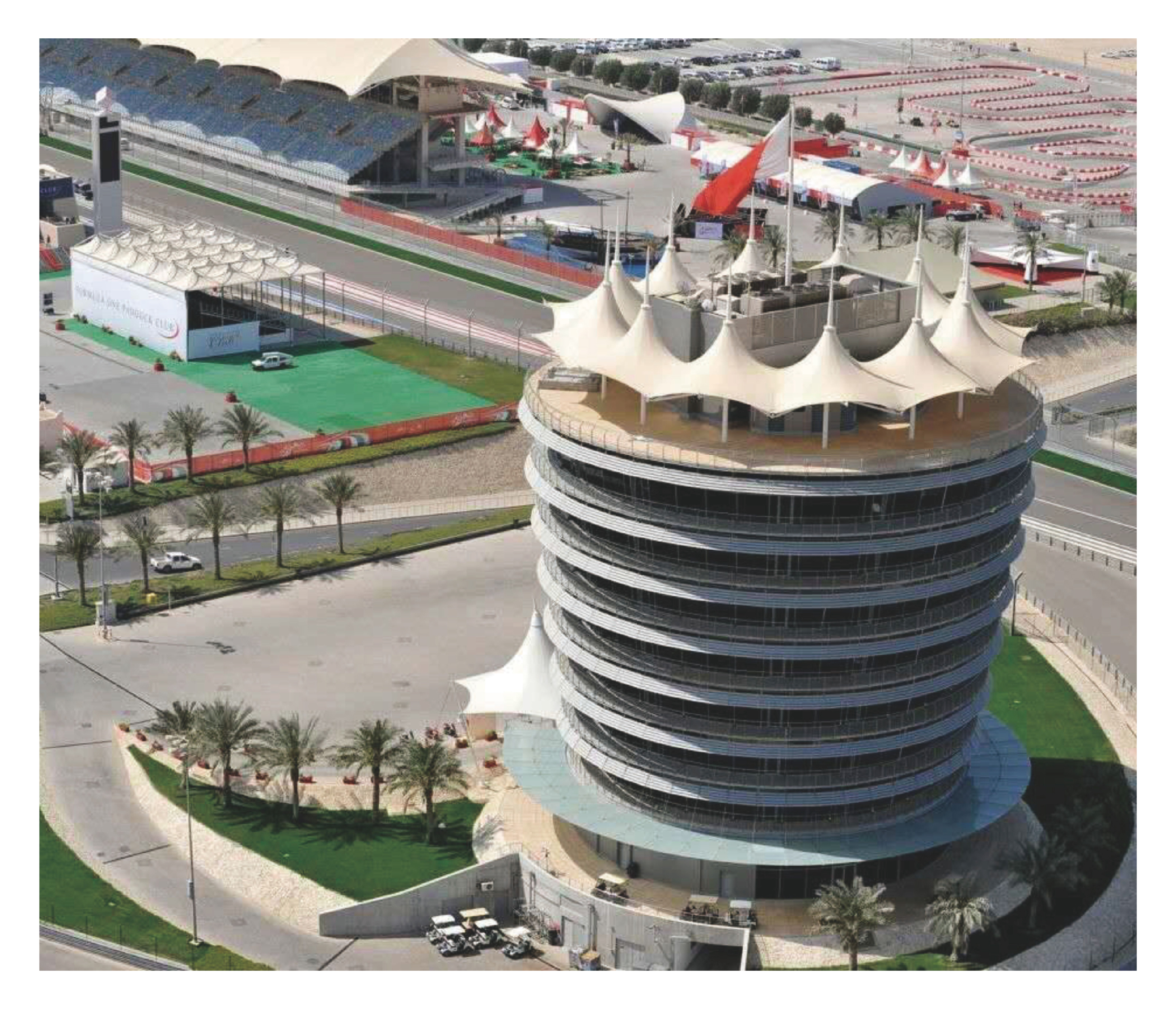
- Event and sports venues. Bahrain International Circuit represents the large-panel, high-visibility end of the range, where curved and special-shaped capability is often the limiting factor rather than flat glass supply.
- Special requirements. Bulletproof glass, fire-resistant glass and special-shaped glass are handled as separate specification categories rather than as variants of standard laminated or tempered product.
Comparison Table: Specification Variables at a Glance
The tables below consolidate the parameters discussed above so that a buyer can compare line items against a drawing without returning to the supplier for basic data.
Table 1 — Product specification snapshot
| Product | Model | Thickness / configuration | Key parameters |
|---|---|---|---|
| Insulating glass | DY-ZK01 | 6mm+12A+6mm / 8mm+16A+8mm (custom available) | Glass type: clear float, Low-E, tempered, low-iron. Spacer: aluminium or warm edge. Gas fill: air, argon, krypton, xenon. Light transmittance 70%–89%. Sound insulation 30–45 dB. |
| Laminated glass | DY-JJ01 | 6.38 mm – 50 mm | Interlayer: PVB, SGP, EVA at 0.38 / 0.76 / 1.14 / 1.52 / 2.28 mm. Substrate: tempered, float, low-iron, tinted. Light transmittance 85%–92% clear, 10%–70% tinted. Sound insulation 35–45 dB. |
| Tempered glass | DY-GH01 | 3 / 4 / 5 / 6 / 8 / 10 / 12 / 15 / 19 mm | Tolerance ±0.5 mm. Light transmittance ≥91%. Edge work: polished, grinded, beveled. Types: flat, curved, with hole. |
| Building glass (general range) | DY | 3 mm – 30 mm | Warranty: more than 5 years. Place of origin: China. Applications include curtain wall, window systems, exterior and interior building use. |
Table 2 — CE certification matrix for EU / EEA projects
| Product | Certificate number | Harmonised standard | Issuer | Validity |
|---|---|---|---|---|
| Tempered glass (DY-GH01) | BGTC20260403-02 | EN 12150-1:2015+A1:2019; EN 12150-2:2004; CPR 305/2011/EU | ECTI CERT Ltd. | 2026-03-03 to 2031-03-03 |
| Laminated glass (DY-JJ01) | BGTC20260403-03 | EN 1449:2005; CPR 305/2011/EU | ECTI CERT Ltd. | 2026-03-03 to 2031-03-03 |
| Insulating glass (DY-ZK01) | BGTC20260403-05 | EN 1279-1:2018; EN 1279-2:2018; EN 1279-3:2018; EN 1279-4:2018; CPR 305/2011/EU | ECTI CERT Ltd. | 2026-03-03 to 2031-03-03 |
Table 3 — Specification levers and what to confirm
| Lever | Options in this specification | What to confirm on the order |
|---|---|---|
| Pane thickness | 3–19 mm (tempered); 3–30 mm (general building glass) | Exact pane thickness per position and the ±0.5 mm tolerance basis |
| Insulated build-up | 6mm+12A+6mm; 8mm+16A+8mm; custom | Cavity width and whether the build-up matches the façade calculation |
| Interlayer | PVB, SGP, EVA at 0.38–2.28 mm | Interlayer type and thickness named per laminated line item |
| Gas fill | Air, argon, krypton, xenon | Which fill is quoted, and that it appears on the quotation line |
| Spacer | Aluminium or warm edge | Spacer type per unit type |
| Substrate | Clear float, Low-E, tempered, low-iron, tinted | Coating requirement and transmittance expectation |
| Compliance | CE under EN 12150, EN 1449, EN 1279 series | Certificate number matched to product line and destination market |
FAQ: Specification and Procurement Questions
Which CE standards apply to DYGLASS tempered, laminated and insulated glass for EU/EEA projects?
Each product line carries its own CE certificate issued by ECTI CERT Ltd. under the Construction Product Regulation 305/2011/EU. Tempered glass (DY-GH01) is certified under certificate number BGTC20260403-02, based on EN 12150-1:2015+A1:2019 and EN 12150-2:2004. Laminated glass (DY-JJ01) is certified under BGTC20260403-03, based on EN 1449:2005. Insulating glass (DY-ZK01) is certified under BGTC20260403-05, based on EN 1279-1:2018, EN 1279-2:2018, EN 1279-3:2018 and EN 1279-4:2018. All three certificates are valid for the European Union and European Economic Area market from 2026-03-03 to 2031-03-03.
Can configurations beyond 6mm+12A+6mm and 8mm+16A+8mm be produced?
Yes. DYGLASS insulating glass is specified in 6mm+12A+6mm and 8mm+16A+8mm formats with custom combinations available, and gas fill can be selected from air, argon, krypton or xenon with an aluminium or warm edge spacer. Laminated glass covers 6.38 mm to 50 mm with PVB, SGP or EVA interlayers in 0.38 mm, 0.76 mm, 1.14 mm, 1.52 mm and 2.28 mm thicknesses. Customisation capability also covers size, thickness and shape (including curved, bent and special-shaped geometry), tempering treatment, coating such as Low-E and ceramic frit, ultra-clear glass, fire-resistant glass, smart switchable glass, edge work and hole drilling. Production runs on a 30,000 m² facility with 100% test and a monthly capacity of 600,000 square metres.
What information is needed for an accurate quotation?
Quotations are built from the final configuration rather than from a product name, so the enquiry should state the product type, the overall thickness or insulated build-up, the substrate, the interlayer type and thickness for laminated items, the cavity gas fill and spacer type for insulated items, the geometry (flat, curved or special-shaped), edge and hole requirements, quantity, and destination market for compliance purposes. The minimum order quantity is 10 square metres. Submitting the full parameter set at enquiry stage avoids clarification rounds and re-quotation after a specification change.
Can we validate a specification before committing to a full production run?
Yes. The minimum order quantity of 10 square metres supports validation at pilot quantity before a full order, and every unit is subject to 100% test. Supporting documentation is also available for review, including the CE certificates for tempered, laminated and insulating glass, and the company product brochure, which can be downloaded in advance of a quotation request.
What is the production lead time, and what support follows delivery?
The stated production lead time is 7–9 days, supported by a monthly capacity of 600,000 square metres. DYGLASS exports to markets including the United Arab Emirates, Bahrain, the United States, Vietnam, the Philippines and Africa, and after-sales support covers online technical support, on-site inspection, on-site training, return and replacement, and on-site installation. To request a sample, a quotation or a configuration review, contact the team at info@dayangglass.com or via WhatsApp at +86-13692110212, with the specification details listed above.
Conclusion: Own the Parameters, Not the Product Name
Architectural glass performance is decided at the parameter level. Thickness sets the structural and optical baseline — 3 mm to 19 mm for tempered glass with ±0.5 mm tolerance and ≥91% light transmittance, 6.38 mm to 50 mm for laminated glass. The interlayer decides what a laminated unit actually does, which is why PVB, SGP and EVA at 0.38–2.28 mm belong in writing. The cavity and its gas fill decide how an insulated unit behaves, whether the build is 6mm+12A+6mm or 8mm+16A+8mm and whether the fill is air, argon, krypton or xenon. Compliance ties all of it together: on EU/EEA projects, EN 12150, EN 1449 and the EN 1279 series are three separate declarations covering three separate products.
A buyer who can read those four layers can compare quotations across suppliers on equal terms, catch silent substitutions before production, and keep the certificate matched to what is actually shipped. That is a more durable advantage than any single price line, because it holds for the next project as well as this one.
Next Step: Send Us the Specification
Send your configuration — build-up, substrate, interlayer, gas fill, spacer, geometry and quantity — and DYGLASS will respond with a quotation, sample arrangement and the matching CE certificate for the product line involved. Minimum order quantity is 10 square metres; lead time is 7–9 days.
Email: info@dayangglass.com | WhatsApp: +86-13692110212 | Website: www.dayangglass.com
Product brochure (PDF): Download the DYGLASS building glass brochure
Have Questions or Need More Details?
Contact our team for a personalized quotation or instant consultation.
Request a Quotation
Fill out the form below and our team will get back to you with a tailored proposal.
WhatsApp Direct Chat
Prefer to chat in real-time? Message us on WhatsApp for instant assistance & quick answers.
- Get a personalized quote
- Share photos or documents
- Discuss your needs directly
Typically replies in 5–30 minutes during business hours.