Curved Glass for Real Projects: A Scenario Guide for Facades, Elevators, Shower Rooms, Furniture and Roofs
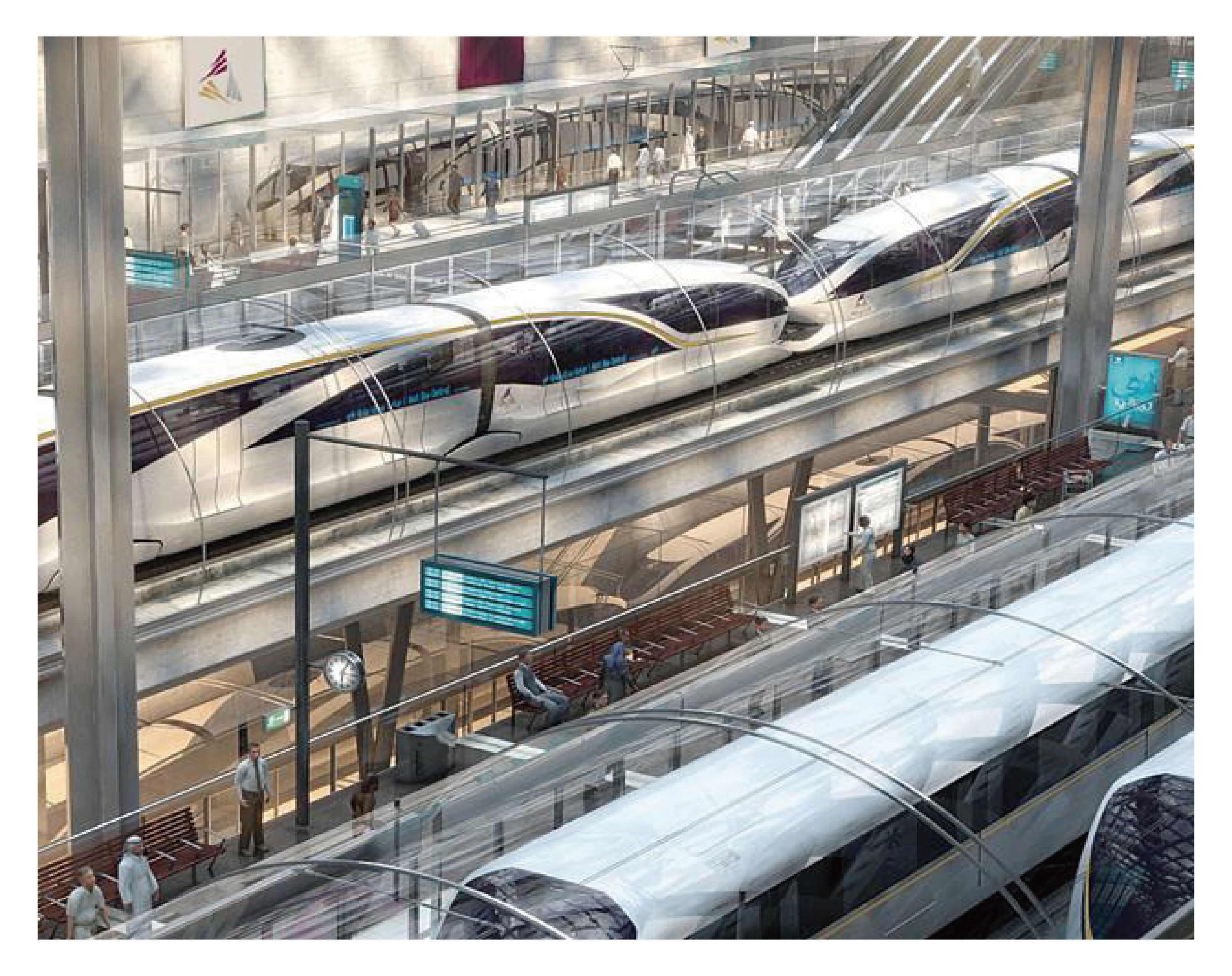
Curved glass is not one product. It is a project-driven glass family that combines a bent form with a performance system: tempered, laminated, insulating, or a combination of these. The specification that works for a lobby curtain wall may not be correct for an overhead skylight or a shower enclosure. Project owners, engineers, facade consultants, and procurement teams should therefore map each project scenario to a glass type before requesting quotes.
Problem Definition: Which Curved Glass Is Right for Your Project?
Most buying questions about curved glass come down to the same issue: the project scenario defines the safety, noise, thermal, and optical requirements, and those requirements should be assigned to a curved glass construction. A curved decorative panel has different responsibilities from a curved glass roof or a curved elevator glazing panel.
Architectural contracts often use terms such as curtain wall, skylight, sightseeing elevator, shower room, coffee table, or roof. Each scenario changes the risk of breakage, the need for post-breakage retention, the exposure to heat and noise, and the cleaning or handling conditions. The selection question is not simply single curved versus double curved. The more complete question is which glass family should be formed into that curve.
Industry Background: Curved Glass Demand Is Becoming More Application-Led
Curved glass is a growing part of architectural glazing. According to Cognitive Market Research, the global curved glass panel market was valued at approximately USD 781.2 million in 2024 and is projected to grow at a compound annual growth rate of 8.0 percent through 2031. Architectural applications, including facades and curtain walls, accounted for more than 40 percent of demand in 2024, based on Research and Markets data. Asia-Pacific is described as the fastest-growing region for the curved glass market, supported by rapid urbanization and infrastructure development.
The export side is also notable. China's export value for worked glass, including bent or curved glass under HS code 7006, reached approximately USD 791 million in 2023, according to TrendEconomy and UN Comtrade data. For procurement teams, this signals that curved glass is now a mainstream architectural material with a broad global supply base. The practical consequence is that buyers must evaluate suppliers on project-specific capability, not only on visual samples or low pricing.
Detailed Solution: A Full Curved and Building Glass Mix from One Supplier
DYGLASS, the brand of Shenzhen Dayang Special Glass Co., Ltd., is positioned for this kind of project-based procurement. The company is a building glass manufacturer in Shenzhen, established in 2017, with a 30,000 square meter factory, approximately 130 employees, and an annual output of around 600,000 square meters. About 60 percent of production is exported to markets including the UAE, Bahrain, Saudi Arabia, the United States, the Philippines, and Vietnam.
For construction, decoration, and municipal engineering projects, DYGLASS can supply a project mix that includes multi-curved tempered glass, flat tempered glass, laminated glass, insulating glass, electric controlled glass, digital printing glass, and painted or stained glass. This is important for architects and contractors because a facade package is rarely single-product. A glass fabrication partner that can coordinate flat and curved, transparent and opaque, safety and energy-efficient glass in one procurement flow can reduce coordination risk.
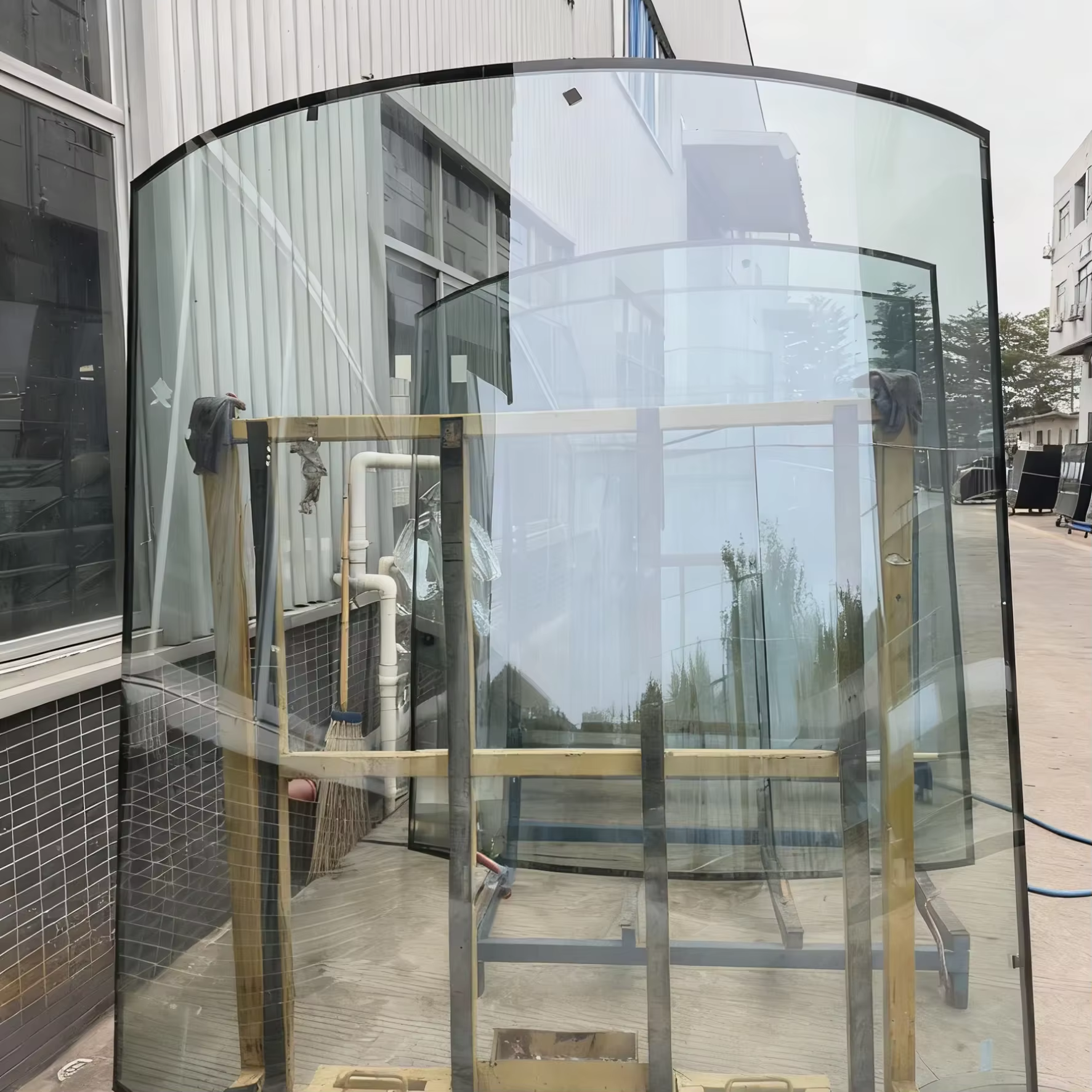
On the forming side, the company states that it is able to process multi-curved tempered glass, double curved tempered glass, triple curved tempered glass, trapezoid curved tempered glass, spherical curved tempered glass, pyramidal curved tempered glass, S-shape curved tempered glass, cylindrical curved tempered glass, and positive and negative curved tempered glass. These form options allow S-shaped facades, curved balustrades, cylindrical elevator glazing, and double-curved architectural features to be considered from the same factory.
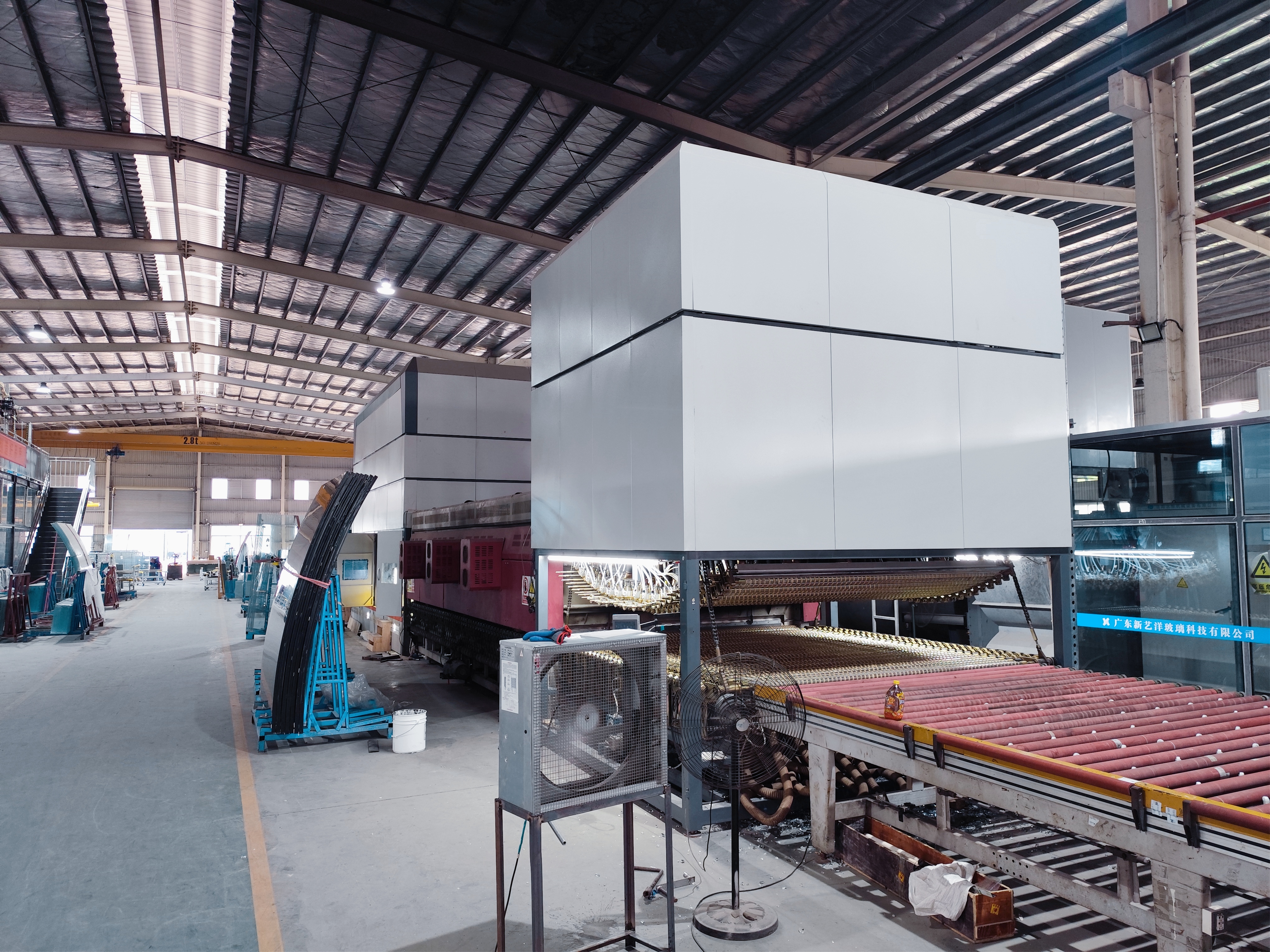
In certain project scenarios, special requirements may include bulletproof glass, fire-resistant glass, and special-shaped glass. These are not standard assumptions. They should be identified during the inquiry stage and documented in the technical specification so that the supplier can evaluate thickness, interlayer, curvature radius, frame compatibility, and relevant compliance evidence.
DYGLASS also supports OEM and ODM orders. For larger programs, this is useful when the buyer has an approved glass brand specification, a copyrighted design, a unique edge detail, or a custom packaging requirement. The OEM and ODM route should be discussed with the drawing or sample before mass production.
Step-by-Step: How to Specify Curved Glass for a Building Scenario
Use a structured workflow when curved glass is part of construction, decoration, or municipal engineering scope.
- Define the function and location. Identify whether the glass is part of a vertical facade, roof, elevator car, interior partition, or furniture item. This decision determines the safety and performance requirements.
- Select the base glass family. For projects requiring impact safety, curved tempered glass is a common starting point. DYGLASS lists tempered glass thicknesses from 3 mm to 19 mm, with dimensional tolerance of plus or minus 0.5 mm and light transmittance of at least 91 percent for clear float glass. Edge work can be polished, ground, or beveled.
- Add lamination when retention is needed. Laminated glass available from DYGLASS covers a total thickness range of 6.38 mm to 50 mm, using PVB, SGP, or EVA interlayers. The clear laminated option provides reported light transmittance of 85 to 92 percent, while tinted versions range from 10 to 70 percent. The acoustic value is approximately 35 to 45 dB.
- Add insulation when thermal, solar, or noise control is needed. Insulating glass units are available in configurations such as 6 mm plus 12A plus 6 mm or 8 mm plus 16A plus 8 mm, with custom thicknesses possible. Options include Low-E coating, argon gas fill, aluminum spacer, or warm edge spacer, and reported sound insulation of 30 to 45 dB.
- Define the curve geometry. Confirm whether the project needs a simple cylindrical bend, a U-shaped channel, an S-shape, a double curve, or a more complex multi-curved panel. This should be shown in drawings or approved templates because the bend affects mold design, tolerance, and lamination layout.
- Confirm processing and inspection equipment. A complete project order may require cutting and edging, a tempered glass production line, an insulating glass production line, and a laminated glass production line. DYGLASS includes these four processing areas in its project application records.
- Check applicable compliance requirements. For toughened safety glass used in European construction, EN 12150-1 and EN 14179-1 are common reference points. EN 14179-1 covers heat-soaked thermally toughened glass, which is used to reduce spontaneous breakage caused by nickel sulfide inclusions. A supplier should be able to explain how its process relates to these standards and provide supporting test documentation.
- If possible, validate with samples or reference projects. Curved glass quality depends on the match between mold shape, glass thickness, and processing sequence. A sample or an approved reference piece is especially useful for S-shaped, U-shaped, and double curved glass.
Use Cases: Curved Glass by Project Scenario
Curved Glass for Curtain Wall and Facade
Curtain walls remain the most common architectural use of curved glass. Facade panels often need to support wind load while managing solar heat and noise. For this reason, curved glass in a curtain wall is frequently part of a larger assembly rather than a single monolithic pane. A practical specification may combine a curved outer pane, an air or argon cavity, and a flat or curved inner pane to improve thermal performance. Where transparency and color consistency are important, suppliers can use low-iron glass as the substrate. DYGLASS lists low-iron glass as an available substrate in laminated and insulating glass configurations.
Curved Glass for Sightseeing Elevator
Sightseeing elevator glazing is chosen for visibility and passenger experience, but safety is equally important. Curved tempered glass gives the curvature and strength required for vertical glazing, while curved laminated glass can provide additional retention if the panel is impacted. When the elevator shaft is also exposed to noise or temperature differences, a curved insulating unit may be considered. In this scenario, it is important to check the curved radius against the elevator structure and to confirm whether the supplier can accommodate single or double curved panels. The glass mix at DYGLASS includes curved glass as well as flat, laminated, and insulating glass, so an elevator manufacturer can source different panel types from one supplier.
Curved Glass for Shower Room
Shower rooms and wet-area partitions commonly use curved tempered glass because of safety requirements and ease of cleaning. Typical specifications include polished or ground edges to reduce stress concentration, and a bend radius that matches the shower tray or enclosure profile. Because a shower screen is frequently handled by the user, edge quality and dimensional tolerance are more important than decorative features. DYGLASS tempered glass specifications list polished, ground, and beveled edge work, with thickness from 3 mm to 19 mm. For glass installed near door hinges or fixtures, a tolerance review is recommended before the glass is cut and tempered.
Curved Glass for Coffee Table and Furniture
Furniture and interior projects often order curved glass for coffee tables, display cases, and decorative elements. In these applications, visual clarity, edge finish, and low wave distortion are primary. Low-iron glass can improve clarity, while tempered glass provides strength for tabletop and shelf uses. If a coffee table surface is expected to bear sharp or heavy objects, the buyer may prefer tempered glass with polished edge. If the tabletop is installed overhead or used as a display cover, laminated glass may be more appropriate. The DYGLASS product range for tempered glass includes flat and curved forms, with edge processing options suited to furniture use.
Curved Glass for Skylight Roof
Skylights and roof glazing create an overhead risk, so the glass construction must provide post-breakage retention. A curved laminated glass panel is a typical safety-oriented specification because the interlayer helps hold broken glass in the frame. Solar control can then be added through Low-E coating or by combining curved and insulating glass in a single unit. The load path for overhead curved glass must be checked by an engineer because the curvature changes the support behavior compared with flat glass. DYGLASS offers curved laminated glass with PVB, SGP, or EVA interlayers. The selection should be based on the retained-glass requirement and the project's structural calculation rather than only on the visual profile.
Comparison Table: Tempered, Laminated and Insulating Curved Glass
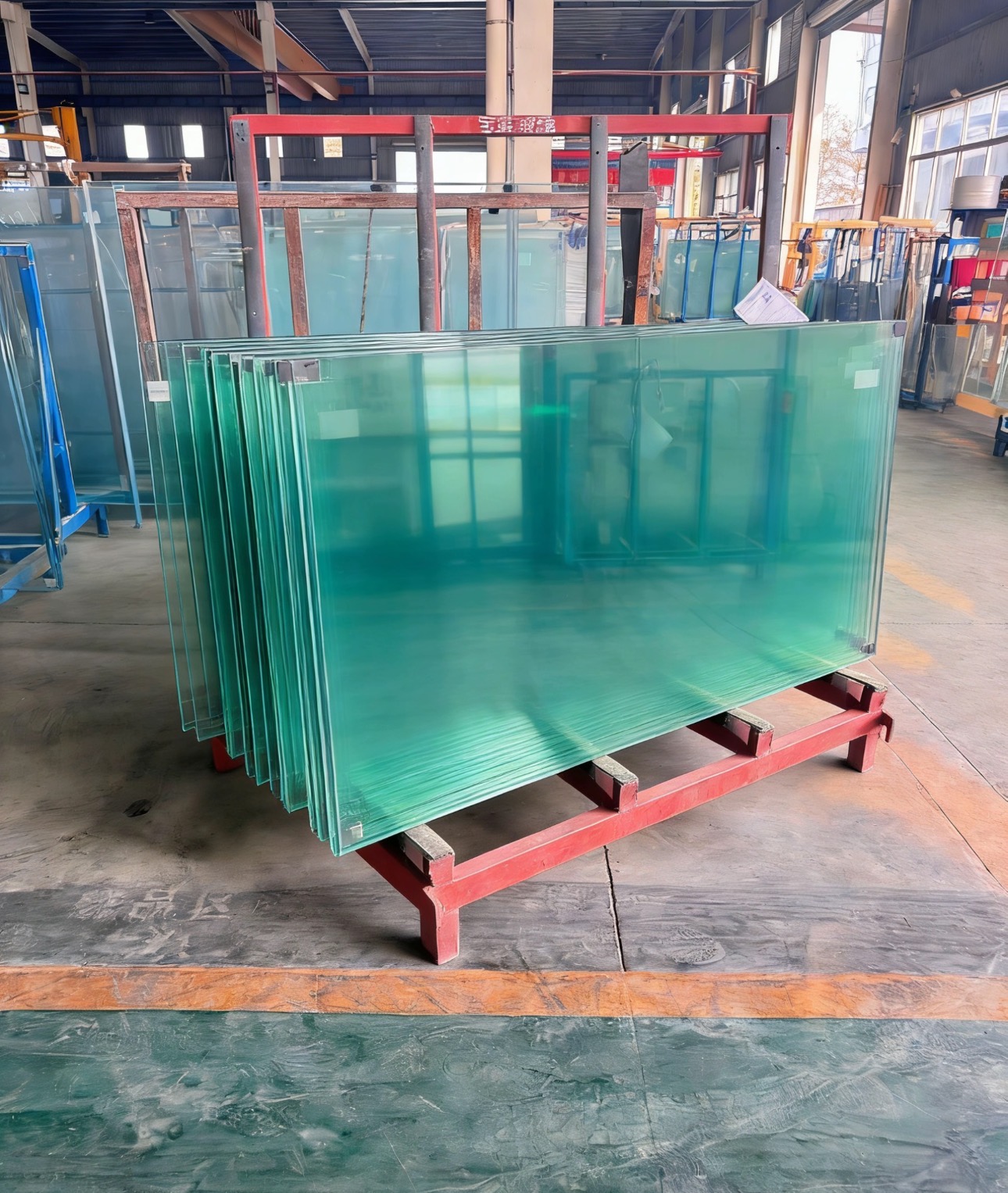
The table below summarizes typical product data from DYGLASS for the three most common glass families used in curved building projects. These visible parameters should be used as the starting point for matching glass type to scenario.
| Parameter | Curved Tempered Glass | Curved Laminated Glass | Curved Insulating Glass |
|---|---|---|---|
| Typical thickness or construction | 3 mm, 4 mm, 5 mm, 6 mm, 8 mm, 10 mm, 12 mm, 15 mm, 19 mm | 6.38 mm to 50 mm | Example: 6 mm + 12A + 6 mm or 8 mm + 16A + 8 mm; custom available |
| Available interlayer or spacer | Not applicable | PVB, SGP, EVA; interlayer thickness 0.38 mm, 0.76 mm, 1.14 mm, 1.52 mm, 2.28 mm | Aluminum spacer or warm edge spacer; air or argon fill |
| Reported light transmittance | Greater than or equal to 91 percent for clear glass | 85 to 92 percent for clear; 10 to 70 percent for tinted | 70 to 89 percent |
| Reported sound insulation | Strength and basic safety | Approximately 35 to 45 dB | Approximately 30 to 45 dB |
| Typical edge or coating options | Polished, ground or beveled; hole fabrication available | Can be tempered laminated or curved laminated; glass substrate can be clear, float, low-iron, or tinted | Can include Low-E coating, low-iron glass, or argon fill |
When interpreting this table, remember that curved glass is not limited to a single family. A curtain wall panel may use an outer curved tempered pane and an inner laminated pane within an insulating unit. A shower room may need only curved tempered glass. A skylight may need curved laminated glass. The project scenario should be described in the inquiry before the supplier proposes a final build-up.
Frequently Asked Questions
Which standards should curved tempered glass meet for building projects?
In European construction, EN 12150-1 and EN 14179-1 are relevant for toughened safety glass. EN 14179-1 describes heat-soaked thermally toughened glass, which is designed to reduce the risk of spontaneous breakage caused by nickel sulfide inclusions. Ask your supplier for the supporting test report or declaration before glass is shipped to an EU project.
Can curved glass also be laminated or insulating?
Yes. DYGLASS product types include curved tempered glass, curved laminated glass, and curved insulating glass. Laminated curved glass can use PVB, SGP, or EVA interlayers. Insulating curved glass can be built with transparent or low-iron glass, Low-E coating, and air or argon gas fill, depending on the project specification.
What curved shapes can DYGLASS produce?
DYGLASS states that it can process double curved tempered glass, triple curved tempered glass, trapezoid curved tempered glass, spherical curved tempered glass, pyramidal curved tempered glass, S-shape curved tempered glass, cylindrical curved tempered glass, and positive and negative curved tempered glass. This set of forming options supports many architectural and interior design scenarios.
What special glass requirements should be stated during procurement?
In project-based glass procurement, special requirements can include bulletproof glass, fire-resistant glass, and special-shaped glass. These requirements should be stated in the inquiry together with the project type, expected glass sizes, interlayer requirements, and applicable standards. The supplier can then evaluate whether the requested construction is suitable and whether additional testing is required.
How should I send a curved glass inquiry to DYGLASS?
Send the project scenario, drawings, target curve type, size, and any special requirements to info@dayangglass.com. OEM and ODM orders are accepted. The DYGLASS brochure is available for reference before quotation, and the team can advise on glass family, shape feasibility, and compliance documentation.
Conclusion
Selecting curved glass is a scenario-driven decision. The same visual curve can be executed as a single glass panel, a laminated safety unit, or an insulating glass unit, and each choice changes how the glass behaves in the building. Curtain walls, sightseeing elevators, shower rooms, furniture, and skylight roofs all create different priorities: wind load, retention after breakage, acoustic comfort, thermal performance, clarity, or edge safety.
For construction and decoration teams, the strongest procurement position is to define the project scenario first and then select the glass family. DYGLASS provides a project-based glass mix in Shenzhen, covering curved glass, tempered glass, laminated glass, insulating glass, smart glass, and decorative glass under one manufacturing program. The company reports an annual output of around 600,000 square meters and accepts OEM and ODM requests. This makes it possible to combine regular building glass and complex curved glass in the same order, while reducing the number of external suppliers that must be coordinated.
Get a Project-Based Curved Glass Quote
Send your drawings and site condition to the DYGLASS team. Include the project scenario, target curve type, performance expectations, and any special requirements such as fire resistance or security glazing.
Email: info@dayangglass.com
WhatsApp: +86-136 9211 0212
www.dayangglass.com | Download DYGLASS brochure

Have Questions or Need More Details?
Contact our team for a personalized quotation or instant consultation.
Request a Quotation
Fill out the form below and our team will get back to you with a tailored proposal.
WhatsApp Direct Chat
Prefer to chat in real-time? Message us on WhatsApp for instant assistance & quick answers.
- Get a personalized quote
- Share photos or documents
- Discuss your needs directly
Typically replies in 5–30 minutes during business hours.