Curved Glass Partnership FAQ: OEM/ODM, CE Certifications, SGS Reports, and After-Sales Support
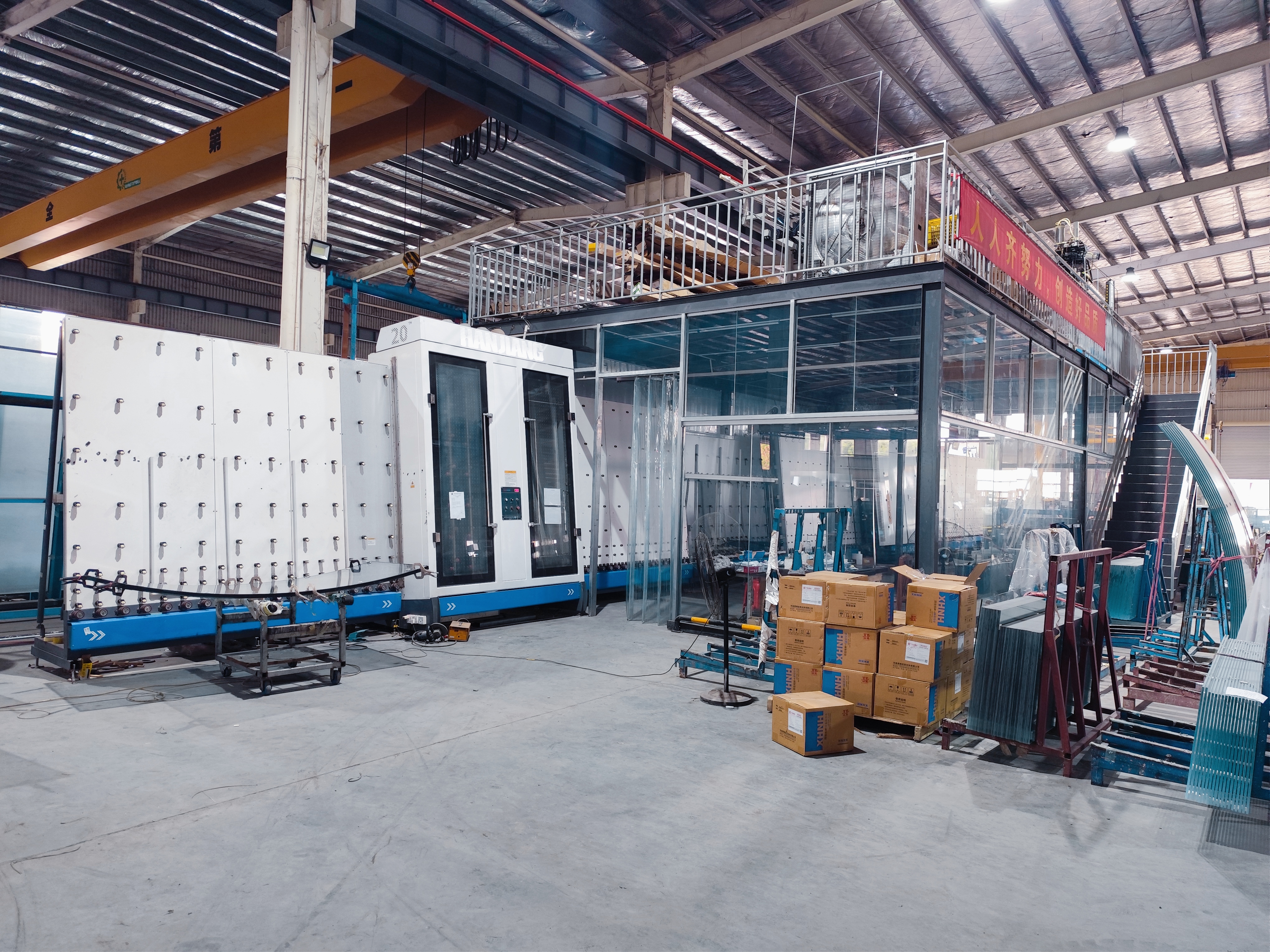
Fig 1. Cover — a DYGLASS production line in Shenzhen, where repeat curved glass orders are manufactured.
Short answer: Shenzhen Dayang Special Glass Co., Ltd. (DYGLASS) accepts both OEM and ODM curved glass orders and holds CE certification references for three product families — DY-GH01 (EN 12150-1), DY-JJ01 (EN 1449:2005) and DY-ZK01 (EN 1279-1/2/3/4). The company has passed an SGS test report and is an Alibaba Verified Supplier. Production runs from a 30,000 m² facility with 600,000 m² of annual output capacity and an R&D team of 5–10 engineers, with a standard production lead time of 7–12 days and ongoing after-sales support for partners in the UAE, Bahrain, Saudi Arabia, the United States, the Philippines and Vietnam.
This page is written for partners who have already tested curved glass and are now deciding whether to place a second, tenth or hundredth order with the same supplier. It answers the five questions that come up most often at that stage: certification coverage, OEM/ODM capability, cost structure, sampling, and lead time. Each answer is written to be read on its own, so procurement, engineering and quality teams can pull the section they need.
Why partnership-stage curved glass questions are different
Curved glass is a made-to-geometry product. Once a panel is bent, its radius, chord length, edgework, tempering state and interlayer are fixed, and the process settings that produced it become the reference for everything that follows. That is why the questions that decide whether a partnership continues are almost never the questions asked before a first order.
Before a first order, buyers ask about price, shape and sample speed. At the partnership stage — when a distributor, facade contractor or brand owner starts planning volume, opening a credit line or naming a supplier in a tender document — the questions shift to continuity:
- Does the certification file cover the exact product model being re-ordered, or only the model that was originally sampled?
- Will panel 500 match panel 5 in radius, tint, edge finish and optical distortion?
- If a unit is damaged on site in year three, can a matching replacement panel be produced?
- Can output scale from a small trial batch to a multi-container schedule without changing equipment or process parameters?
- Who answers when something goes wrong after shipment, and how quickly?
These are supply-chain and documentation questions, not product questions. They are also the reason this FAQ is structured around compliance and process rather than around a product catalogue.
Industry background: a bespoke product inside a standardised market
Two market facts explain why curved glass has become a partnership category rather than a one-off purchase. The global curved glass market was estimated at USD 13.5 billion in 2025 and is forecast to grow at a compound annual growth rate of 5.8% between 2025 and 2035 (Statifacts). Architectural demand sits inside the wider glass curtain wall market, which reached USD 62.4 billion in 2024 (Grand View Research). Long-run growth of this kind rewards buyers who lock in a stable supply relationship rather than re-tendering every project.
At the same time, the standards environment around curved glass is explicit. ASTM C1464-06 is the active ASTM specification for bent glass and covers requirements for building construction, furniture and display applications (ASTM International). ISO 11485-3:2014 classifies curved tempered and curved laminated glass as safety glasses for buildings (International Organization for Standardization). In the European Union, CE marking for construction glass is based on the harmonised product standard for the specific product family.
The practical consequence for partners is that compliance is assessed per product model and per standard, not per company. A general statement such as “we are CE certified” is not enough on its own — a buyer needs to know which model and which standard the certificate references, and whether that model is the one being ordered. That is the question the certification map further down this page answers for the three DYGLASS curved glass model families.
What DYGLASS provides to long-term curved glass partners
Shenzhen Dayang Special Glass Co., Ltd. (DYGLASS) is a Shenzhen-based architectural glass manufacturer founded in 2017 that develops, produces and exports laminated glass, toughened glass, smart glass, insulated glass, curved glass and other building glass, with approximately 60% of output going to export markets including the UAE, Bahrain, Saudi Arabia, the United States, the Philippines and Vietnam.
Manufacturing base and supply continuity
The factory covers 30,000 m², employs 130 people and has an annual output capacity of 600,000 m². A 5–10 person R&D engineering team handles drawing review, forming-parameter development and repeat-order matching. For a partner, the relevant point is not the headline capacity figure but the ratio between capacity and the bespoke nature of curved work: a dedicated line base is what allows a validated geometry to be reproduced on later orders rather than re-engineered each time.
Equipment on site includes a flat-and-curved tempering line, a concave and convex curved line handling irregular curved shapes, a double-curved tempering line, an autoclave for lamination, a heat soak furnace, an insulated glass line, and dedicated cutting, drilling and edge-grinding lines. Each of these process steps is a control point that can be documented for a partner’s quality file.
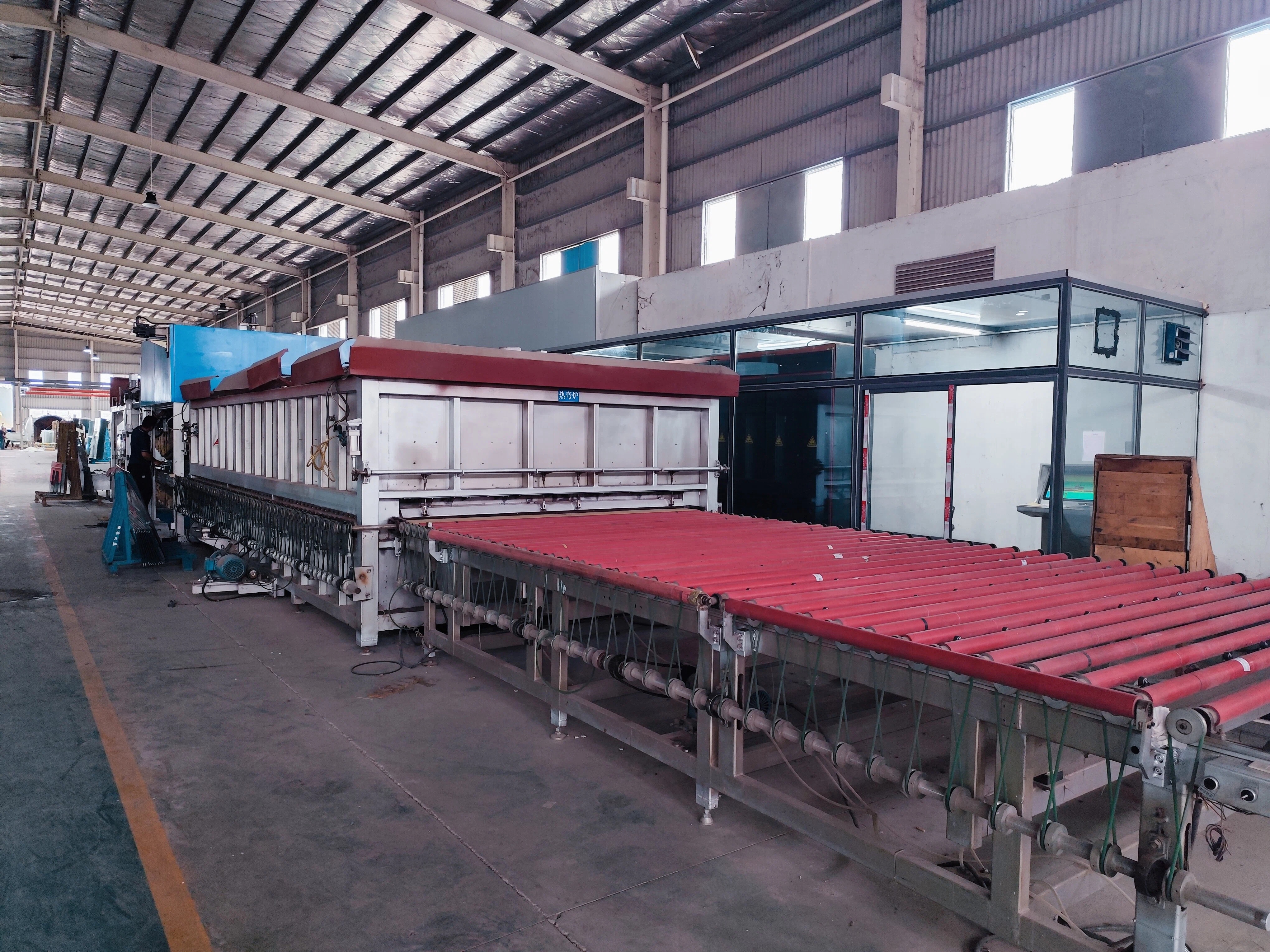
Fig 2. Double curved tempering line — the equipment base behind OEM/ODM multi-curved orders.
OEM/ODM and curved forming capability
DYGLASS accepts OEM and ODM orders. The company processes multi-curved tempered glass, double curved tempered glass, triple curved tempered glass, trapezoid curved tempered glass, spherical curved tempered glass, pyramidal curved tempered glass, S-shape curved tempered glass, cylindrical curved tempered glass, and positive and negative curved tempered glass. Practically, this means a partner can bring a free-form facade panel, a spherical dome segment or an S-shaped balustrade profile and have the geometry formed rather than approximated with standard curves.
For partners whose end customers specify functional performance rather than only shape, the same forming base supports low-iron curved glass, sound-insulated curved glass, explosion-proof curved glass and UV-block curved glass builds, as well as hot curved glass, laminated curved glass, single hot curved glass, extra-large curved glass, high-precision curved glass and no-wave-distortion curved glass requirements.
Precision, strength and optical performance
Three figures matter most when a curved panel has to fit a structure that is already built. DYGLASS curved glass is formed to a bending tolerance of approximately ±0.5 mm to ±1 mm, which is what allows panels to seat into prepared frames without on-site forcing. Wind pressure resistance reaches up to 96 kPa, supporting use on high-rise facades. Low-iron compositions with iron content of 0.01% or below deliver light transmittance of 91.6% or higher, which keeps curved assemblies visually consistent with adjacent flat glazing.
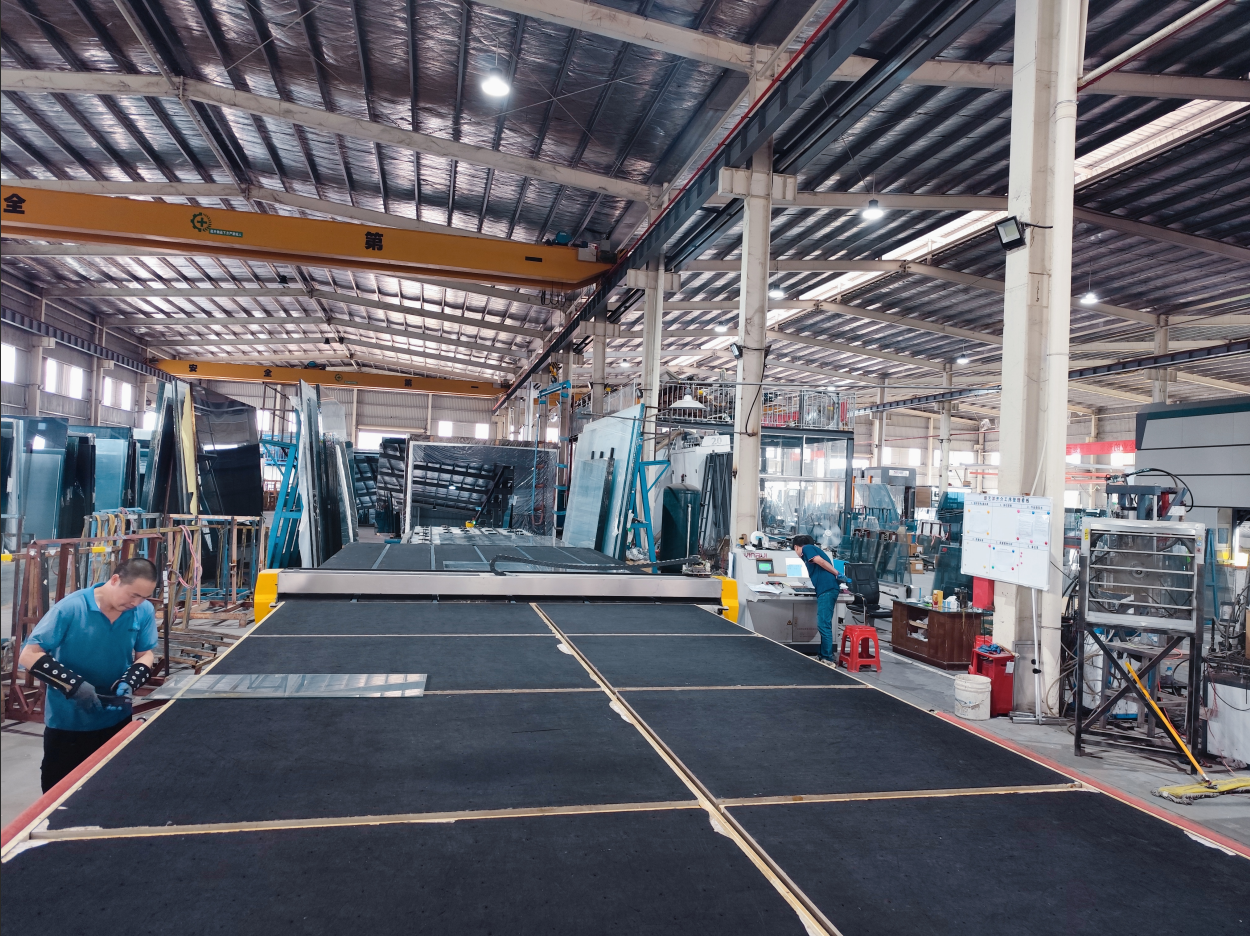
Fig 3. Cutting line — CNC preparation of sheets before forming, where tolerance is set.
Production risk control
Curved glass carries process risks that flat glass does not: overheating, thermal shock, breakage, edge chipping, scratches, warpage and deformation, and bubble or inclusion defects. DYGLASS controls these at two levels. On the equipment side, an intelligent temperature control system with infrared sensors monitors kiln temperature in real time against a three-level overtemperature warning structure — an early warning value of 1550 °C, an alarm value of 1580 °C and an emergency shutdown value of 1600 °C. On the operational side, kiln refractory brick wear is inspected every quarter and mandatory replacement is triggered above 30% wear, temperature sensors are calibrated on a regular schedule, and a full equipment life-cycle file is maintained.
Laminated curved assemblies pass through an in-house autoclave, and tempered curved products can be routed through the heat soak furnace — two further steps that a partner can reference in a quality plan without needing to commission separate testing.
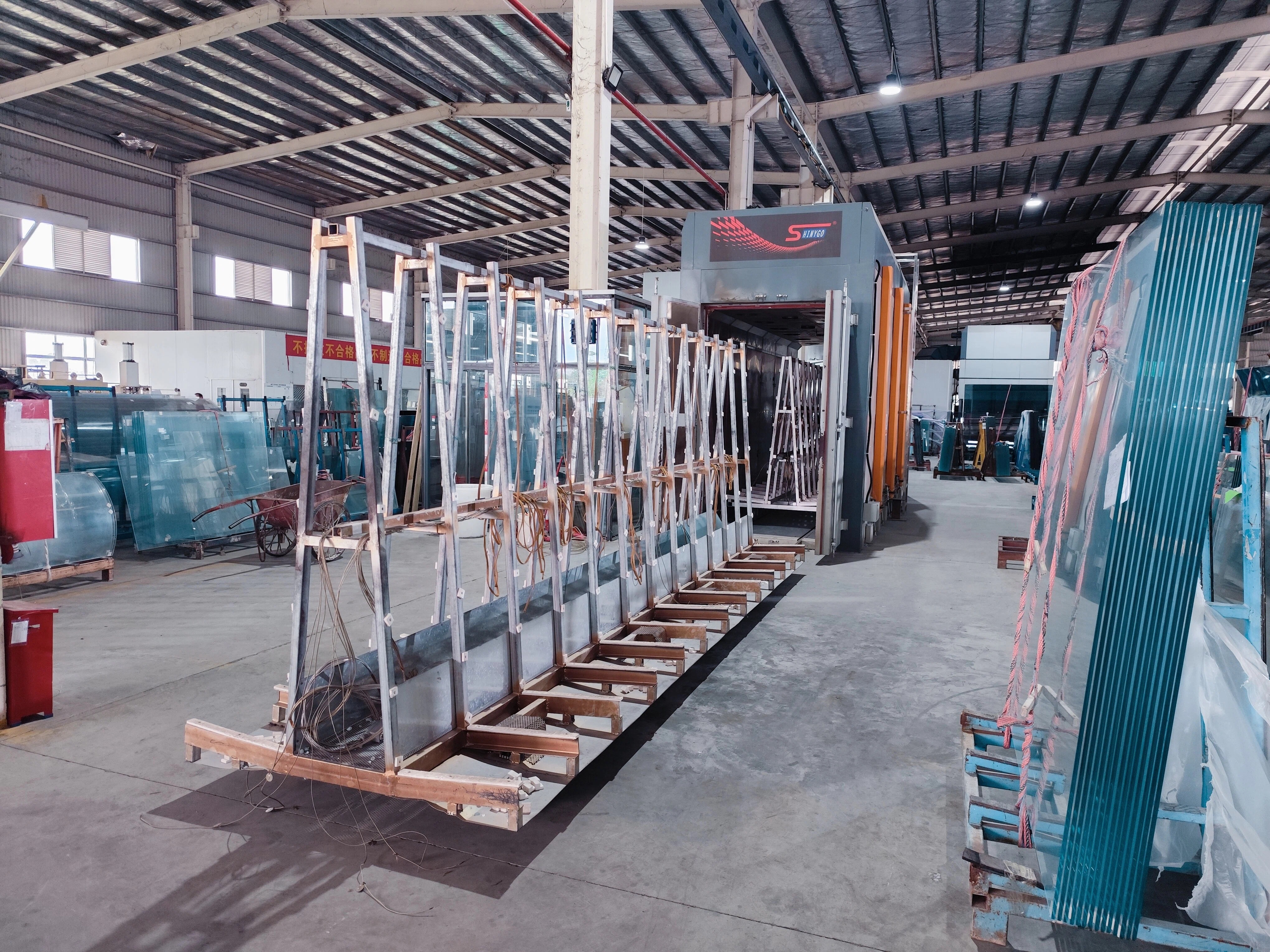
Fig 4. Heat soak furnace — one of the post-tempering controls applied to curved tempered glass.
Documentation and third-party verification
Two third-party documents travel with the company rather than with a single order. DYGLASS has passed an SGS test report, and the company holds Alibaba Verified Supplier status. Both are frequently requested during distributor onboarding and tender pre-qualification, and both can be supplied alongside project-specific documentation when a partner is preparing a submission.
Step-by-step: how an order runs from first enquiry to repeat supply
A partnership is built on a repeatable sequence. The workflow below is the one DYGLASS applies to OEM and ODM curved glass orders, and it is also the reason a tenth order can be produced faster than the first.
- Specification and drawing review. The 5–10 person engineering team reviews the submitted drawings, radius, chord, thickness build-up, edgework and any coating or interlayer requirement, and confirms which of the three certified model families applies.
- Sample or prototype validation. Geometry and forming parameters are proven on a prototype before batch production begins, so that the first production panel is not the first attempt at the curve.
- Documentation pack. The partner receives the certification reference that matches the ordered model — DY-GH01, DY-JJ01 or DY-ZK01 — together with the SGS test report and Alibaba Verified Supplier confirmation where required.
- Production with in-process control. Forming runs on the flat-and-curved line, the irregular curved line or the double-curved line depending on geometry, under the three-level temperature monitoring described above. Lamination passes through the autoclave; tempered output may be routed through the heat soak furnace.
- Inspection and packing. Edge grinding and drilling are completed to the approved drawing, panels are checked against the validated sample, and packing is specified for the destination market.
- Export and delivery. Shipments are routinely prepared for partners in the UAE, Bahrain, Saudi Arabia, the United States, the Philippines and Vietnam, alongside other export destinations.
- After-sales and re-order. Validated forming parameters are retained so that later panels can be produced to the same geometry. DYGLASS maintains a high matching rate for replacement panels on previously produced profiles, which is the practical answer to the question of what happens when a single unit is damaged on site in year three.
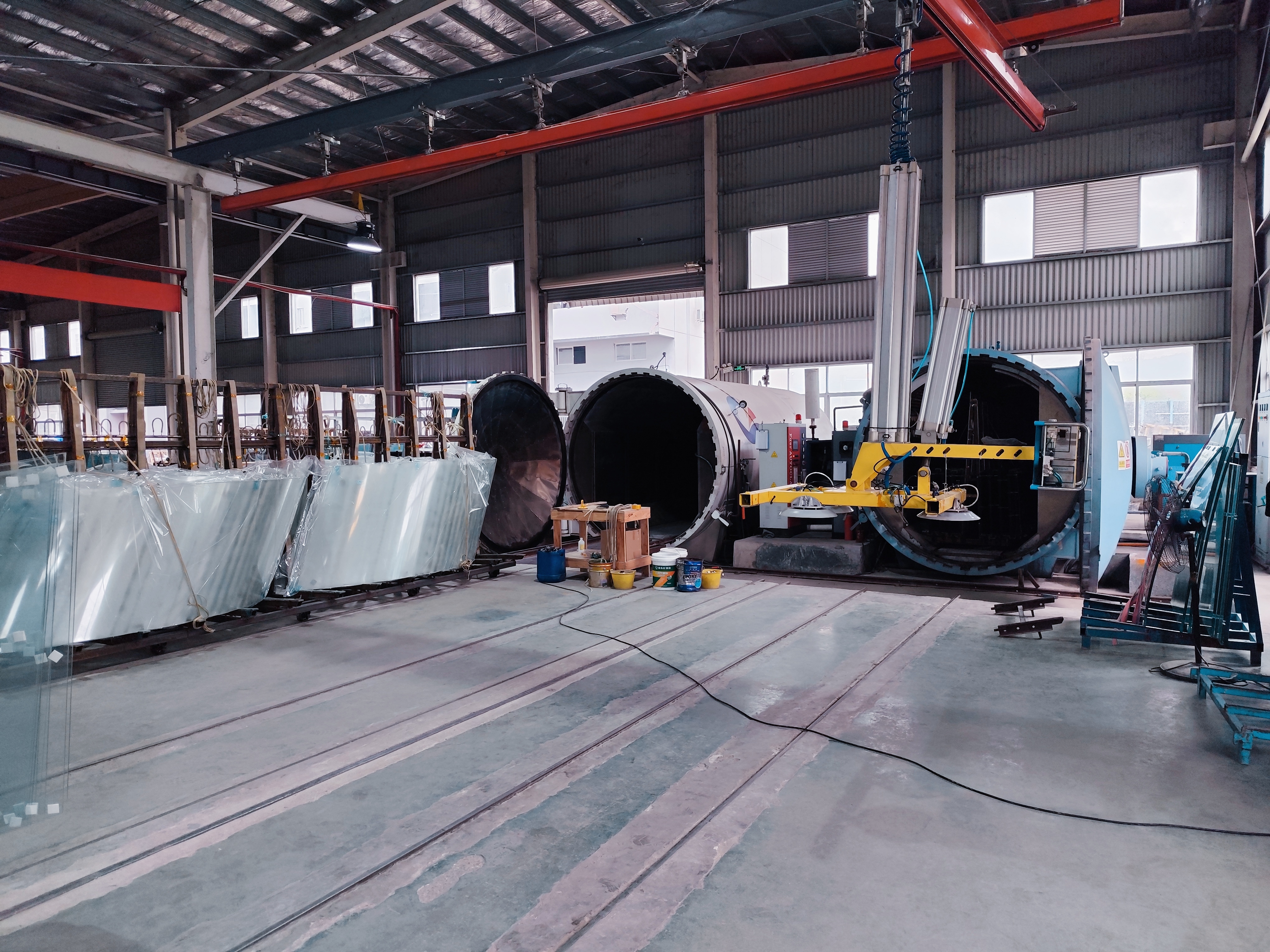
Fig 5. Autoclave — laminated curved glass passes through this step before final inspection.
Use cases: where partnership-stage curved glass is specified
Curved glass demand is concentrated in a relatively small number of application types, and each one tends to repeat across a partner’s project pipeline. The five below are the most common in DYGLASS order flow.
- Curved glass for curtain wall. The largest volume application, where geometry, wind pressure resistance up to 96 kPa, and tint consistency between curved and flat panels drive the specification.
- Curved glass for sightseeing elevator. Cylindrical and positive/negative curved panels where distortion control and edge finishing determine perceived quality.
- Curved glass for shower room. Smaller-radius hot curved glass, frequently laminated or with UV-block and easy-clean considerations.
- Curved glass for coffee table. Furniture-grade curved glass covered by the same bent-glass specifications that apply to building construction, furniture and display applications, with low-iron and edge-polish requirements.
- Curved glass for skylight roof. Double curved, spherical and pyramidal geometries where sealing continuity and thermal performance matter most.
Across these applications, partners typically combine a shape family — S-shaped curved glass, U-shaped curved glass, single hot curved glass or double curved glass — with a functional build such as low-iron, sound-insulated, explosion-proof or UV-block curved glass. Because the same forming lines handle all of them, a partner can consolidate several project specifications under one supplier instead of splitting orders across multiple factories.
Certification and standards map for DYGLASS curved glass
The table below lists the certification references and third-party standards a partner is most likely to see during supplier qualification. Compliance is stated at model level, because that is how construction glass standards are applied.
| Certification / standard | Applies to | What it is | Source |
|---|---|---|---|
| CE reference: EN 12150-1 | DY-GH01 | European product standard referenced for thermally toughened safety glass | DYGLASS certification reference |
| CE reference: EN 1449:2005 | DY-JJ01 | European product standard cited in DYGLASS certification documentation | DYGLASS certification reference |
| CE reference: EN 1279-1/2/3/4 | DY-ZK01 | European product standard series referenced for insulating glass units | DYGLASS certification reference |
| SGS test report | Company / production | Third-party test documentation passed by the manufacturer | DYGLASS company profile |
| Alibaba Verified Supplier | Company | Verified supplier status held on the Alibaba platform | DYGLASS company profile |
| ASTM C1464-06 | Bent glass, general | Active ASTM specification for bent glass covering building construction, furniture and display | ASTM International |
| ISO 11485-3:2014 | Curved tempered and curved laminated glass | International standard classifying curved tempered and curved laminated glass as safety glasses for buildings | International Organization for Standardization |
FAQ: partnership questions answered
1. Which certifications and documents cover DYGLASS curved glass orders?
DYGLASS holds CE certification references for three curved glass product families: DY-GH01 is referenced to EN 12150-1, DY-JJ01 to EN 1449:2005, and DY-ZK01 to EN 1279-1/2/3/4. The company has also passed an SGS test report and holds Alibaba Verified Supplier status. Because CE marking for construction glass is applied at product-standard level, a partner should confirm that the model and standard on the certificate match the model being ordered rather than relying on a company-level statement. Third-party standards frequently cited when specifying curved glass include ASTM C1464-06 for bent glass and ISO 11485-3:2014, which classifies curved tempered and curved laminated glass as safety glasses for buildings.
2. Can DYGLASS accept OEM/ODM curved glass orders with irregular or multi-curved geometry?
Yes. DYGLASS accepts OEM and ODM orders and processes multi-curved tempered glass, double curved tempered glass, triple curved tempered glass, trapezoid curved tempered glass, spherical curved tempered glass, pyramidal curved tempered glass, S-shape curved tempered glass, cylindrical curved tempered glass, and positive and negative curved tempered glass. Forming is carried out on dedicated flat-and-curved, irregular curved and double-curved tempering lines, supported by an autoclave for laminated builds and a heat soak furnace for tempered output. Typical forming tolerance is approximately ±0.5 mm to ±1 mm, wind pressure resistance reaches up to 96 kPa, and low-iron builds with iron content of 0.01% or below provide light transmittance of 91.6% or higher. Drawing review and parameter development are handled by an R&D team of 5–10 engineers.
3. How should partners assess curved glass cost over a multi-year supply relationship?
Curved glass is not a catalogue product, so DYGLASS does not publish a fixed price list; quotations are prepared against the submitted drawing, geometry, thickness build-up, interlayer, coating and quantity. The cost that usually matters most to a long-term partner is not the unit price of one panel but the total installed cost. Precision forming at a tolerance of approximately ±0.5 mm to ±1 mm reduces on-site rework and remakes, and on projects with accurate site survey data it supports installation loss of around 2%. Consistency also affects cost indirectly: when the same geometry is reproduced on validated settings, repeat volume orders avoid the re-engineering and re-sampling cost that a new supplier would incur on every batch. Partners planning annual volume can request a project-specific quotation through the contact channels listed at the end of this page.
4. Can partners validate a sample before committing to a long-term supply agreement?
Yes — sampling is a standard step in the DYGLASS workflow, not an exception. The process runs from drawing and specification review by the engineering team, through prototype forming and dimensional and visual verification, to batch production using the parameters validated on the prototype. This is the mechanism that keeps a repeat order predictable: once a geometry has been proven, its settings are retained for later production and for replacement panel matching. Sample scope, geometry and accompanying documentation are confirmed per project, and requests can be submitted by email or WhatsApp using the details below.
5. What lead time and supply continuity can a long-term partner expect?
Standard production lead time for DYGLASS curved glass is 7–12 days, measured from the point at which drawings and specifications are confirmed. Continuity comes from the production base: a 30,000 m² factory, 600,000 m² of annual output capacity and 130 employees, operating dedicated flat-and-curved tempering, irregular curved, double-curved, insulated, cutting, drilling, edge-grinding and lamination lines alongside a heat soak furnace. Equipment is maintained on a documented life-cycle schedule, with quarterly refractory inspection and calibrated temperature sensors, and production temperature is monitored against a three-level warning structure of 1550 °C, 1580 °C and 1600 °C. For partners in the UAE, Bahrain, Saudi Arabia, the United States, the Philippines and Vietnam, this is the combination that supports repeat ordering rather than one-off purchasing. To start a partnership enquiry or request a quotation for a specific geometry, send your drawings and specification to info@dayangglass.com, call +86-136 9211 0212, or message us on WhatsApp.
Conclusion
Long-term curved glass supply is decided by three things: whether the certification file matches the model being ordered, whether the forming process can reproduce a geometry years later, and whether the supplier answers after the container has shipped. On the first point, DYGLASS states its references at model level — DY-GH01 to EN 12150-1, DY-JJ01 to EN 1449:2005 and DY-ZK01 to EN 1279-1/2/3/4 — alongside an SGS test report and Alibaba Verified Supplier status. On the second, forming tolerances of approximately ±0.5 mm to ±1 mm, wind pressure resistance up to 96 kPa and low-iron transmittance of 91.6% or higher are produced on dedicated curved and double-curved lines inside a 30,000 m², 600,000 m²-per-year facility. On the third, validated parameters, documented equipment maintenance and a standard 7–12 day production lead time give partners something to plan against.
If you are evaluating a first or a fiftieth order, the most useful next step is a drawing review. Send your geometry and specification, and the engineering team will confirm the applicable model family, the certification reference that applies, and the quotation basis.

Work with DYGLASS on your next curved glass project
Shenzhen Dayang Special Glass Co., Ltd. — 1706, Bldg. H, Phase 1, Liuhecheng Business Plaza, No. 168, Shenshan Road, Pingshan Street, Pingshan New Dist., Shenzhen, Guangdong, China
Email: info@dayangglass.com | Tel: +86-136 9211 0212 | WhatsApp: +86-13692110212
Website: www.dayangglass.com
Download the full product catalogue and capability brochure: DYGLASS Brochure (PDF)
Have Questions or Need More Details?
Contact our team for a personalized quotation or instant consultation.
Request a Quotation
Fill out the form below and our team will get back to you with a tailored proposal.
WhatsApp Direct Chat
Prefer to chat in real-time? Message us on WhatsApp for instant assistance & quick answers.
- Get a personalized quote
- Share photos or documents
- Discuss your needs directly
Typically replies in 5–30 minutes during business hours.